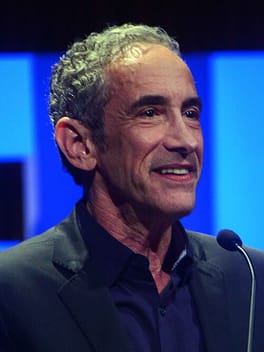
Photo: Fronteiras do Pensamento / CC BY-SA 2.0 (source: Wikimedia Commons)
Douglas Rushkoff is credited as a journalist, writer and columnist. Douglas Rushkoff was born in New York City, New York, United States on February 18, 1961. The age as of 2026 is 65. Schooling on record includes Scarsdale High School and Princeton University. Notable works include Survival of the Richest.
My Take
Douglas Rushkoff is exactly the kind of voice I want around in an age intoxicated with technology. A media theorist out of Princeton, tied to early cyberpunk culture, he has spent decades critiquing technocapitalism and urging us to reclaim our humanity in the digital world. The very title of Survival of the Richest is a scalpel. What I appreciate is that he neither worships nor dismisses the tools; he keeps asking who they actually serve. As AI saturates everything, his warnings feel more urgent, not less. He is a writer who makes you pause before celebrating convenience, and that friction is valuable.
This take was written by generative AI, one per person, from publicly reported facts (editorial policy). It is a reading of the record, not reporting.
1. Profile
- Name (English)
- Douglas Rushkoff
- Name (Japanese)
- ダグラス・ラッシュコフ
- Reading
- だぐらす・らっしゅこふ
- Born
- February 18, 1961 (age 65)
- Origin
- New York City, New York, United States
- Occupation
- journalist / writer / columnist
- Zodiac / Chinese zodiac
- Aquarius / Ox
2. Background
- High school
- Scarsdale High School
- University
- Princeton University
3. Works & records
Filmography / notable works
| Category | Title |
|---|---|
| Notable work | Survival of the Richest |
4. Links
- Official sitehttps://rushkoff.com/
- Instagramhttps://www.instagram.com/douglasrushkoff/
- Xhttps://x.com/rushkoff
- Wikipedia (English)https://en.wikipedia.org/wiki/Douglas%20Rushkoff
- Wikipedia (Japanese)https://ja.wikipedia.org/wiki/%E3%83%80%E3%82%B0%E3%83%A9%E3%82%B9%E3%83%BB%E3%83%A9%E3%82%B7%E3%83%A5%E3%82%B3%E3%83%95
- Wikidatahttps://www.wikidata.org/wiki/Q717884
5. About this entry
Tags
- Last updated
Facts are limited to publicly available information up to 2024; non-public or unconfirmed items are omitted. English text is machine-assisted (facts translated by Sonnet, "My Take" written by Opus 4.8). The Japanese page is the source of record.
Frequently asked questions
When was Douglas Rushkoff born?
Born February 18, 1961 (age 65).
Where is Douglas Rushkoff from?
Douglas Rushkoff is from New York City, New York, United States.
What does Douglas Rushkoff do?
Douglas Rushkoff works as journalist, writer, columnist.
What is Douglas Rushkoff known for?
Notable works include Survival of the Richest.
Journalist — see all → · Writer — see all → · More people from the United States →