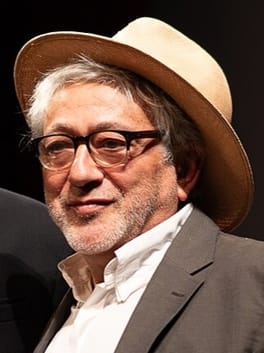
Photo: Adnasaida / CC BY-SA 4.0 (source: Wikimedia Commons)
Born on July 28, 1960, Elia Suleiman is from Nazareth, Israel. Public records list Elia Suleiman as a film director, screenwriter and film actor. The age as of 2026 is 66. Schooling on record includes Birzeit University. Listed accolades include Prince Claus Award, European Film Award for Best Non-European Film (2002), European Film Academy Achievement in World Cinema Award (2022) and 1 more.
My Take
Elia Suleiman is, for me, one of cinema's great masters of eloquent silence. A Palestinian filmmaker from Nazareth, he turns the daily absurdities of life under occupation into deadpan, almost wordless comedy that lands as both laughter and grief. Divine Intervention winning the Jury Prize at Cannes in 2002 confirmed that you can speak about the gravest political realities without ever raising your voice. What impresses me most is his refusal to compromise his style for accessibility, yet still earning a European Film Award and a World Cinema honor. He proves that restraint, not volume, can be the sharpest political instrument an artist owns.
This take was written by generative AI, one per person, from publicly reported facts (editorial policy). It is a reading of the record, not reporting.
1. Profile
- Name (English)
- Elia Suleiman
- Name (Japanese)
- エリア・スレイマン
- Reading
- えりあ・すれいまん
- Born
- July 28, 1960 (age 66)
- Origin
- Nazareth, Israel
- Occupation
- actor / film director / screenwriter / film actor / film producer
- Zodiac / Chinese zodiac
- Leo / Rat
2. Background
- University
- Birzeit University
Awards & achievements
- Prince Claus Award
- 2002 European Film Award for Best Non-European Film
- 2022 European Film Academy Achievement in World Cinema Award
- 2020 Lumière Award for Best International Co-Production
3. Links
4. About this entry
Tags
- Last updated
Facts are limited to publicly available information up to 2024; non-public or unconfirmed items are omitted. English text is machine-assisted (facts translated by Sonnet, "My Take" written by Opus 4.8). The Japanese page is the source of record.
Frequently asked questions
When was Elia Suleiman born?
Born July 28, 1960 (age 66).
Where is Elia Suleiman from?
Elia Suleiman is from Nazareth, Israel.
What does Elia Suleiman do?
Elia Suleiman works as actor, film director, screenwriter, film actor, film producer.
Actor — see all → · Film director — see all → · More people from Israel →