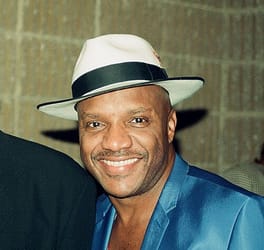
Photo: John Mathew Smith & www.celebrity-photos.com from Laurel Maryland, USA / CC BY-SA 2.0 (source: Wikimedia Commons)
Born on March 7, 1952 in Cincinnati, Ohio, United States, Ernie Isley is a musician, guitarist and songwriter. Ernie Isley is 74 years old as of 2026. Education on record includes Dwight Morrow High School.
My Take
Ernie Isley sits at the heart of one of American music's great dynasties. As a member of The Isley Brothers, he helped shape decades of soul, funk and R&B, and his guitar work gave the group a rock edge that set them apart. I always appreciate when a family band has a player who can genuinely shred, and Isley's playing carries that weight. The splinter project Isley-Jasper-Isley shows he wasn't content to just hold a slot in a famous lineup. Born in Cincinnati in 1952, he's a songwriter as much as a guitarist, and that dual craft is what I find most enduring about him.
This take was written by generative AI, one per person, from publicly reported facts (editorial policy). It is a reading of the record, not reporting.
1. Profile
- Name (English)
- Ernie Isley
- Name (Japanese)
- アーニー・アイズレー
- Reading
- あーにー・あいずれー
- Born
- March 7, 1952 (age 74)
- Origin
- Cincinnati, Ohio, United States
- Occupation
- musician / guitarist / songwriter
- Zodiac / Chinese zodiac
- Pisces / Dragon
2. Background
- High school
- Dwight Morrow High School
3. Links
4. About this entry
Tags
- Last updated
Facts are limited to publicly available information up to 2024; non-public or unconfirmed items are omitted. English text is machine-assisted (facts translated by Sonnet, "My Take" written by Opus 4.8). The Japanese page is the source of record.
Frequently asked questions
When was Ernie Isley born?
Ernie Isley was born on March 7, 1952 and is 74 years old.
Where is Ernie Isley from?
Ernie Isley is from Cincinnati, Ohio, United States.
What does Ernie Isley do?
Ernie Isley works as musician, guitarist, songwriter.
Which high school did Ernie Isley attend?
Ernie Isley attended Dwight Morrow High School.
Musician — see all → · Guitarist — see all → · More people from the United States → · More people born on March 7 →