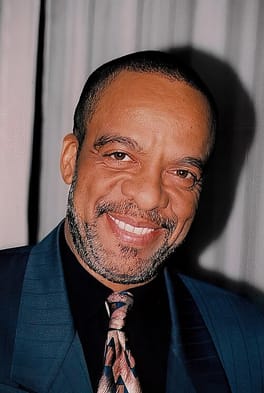
Photo: Kingkongphoto & www.celebrity-photos.com from Laurel Maryland, USA / CC BY-SA 2.0 (source: Wikimedia Commons)
Grover Washington Jr., born on December 12, 1943 in Buffalo, New York, United States, was a composer, saxophonist and jazz musician. Grover Washington Jr. died on December 17, 1999, aged 56. Education on record includes East High School.
My Take
Grover Washington Jr. was one of those rare musicians who could make an entire room stop and listen without ever raising the volume. Growing up in Buffalo and learning saxophone almost before he could properly hold one, he spent years woodshedding in Army bands before hitting the studio — and when he finally did, records like Mister Magic and Winelight showed the world what soul-jazz could sound like when it had genuine heart. His collaboration with Bill Withers on Just the Two of Us became one of the most instantly recognizable saxophone moments in pop history, and it still sounds perfect today. He had chops that could satisfy hardcore jazz fans while remaining genuinely warm and accessible to everyone else, which is a much harder trick to pull off than it sounds. Losing him at 56, collapsing right after a television taping, felt brutally sudden — the music he might still have made haunts me a little whenever I put on Winelight on a late night.
This take was written by generative AI, one per person, from publicly reported facts (editorial policy). It is a reading of the record, not reporting.
1. Profile
- Name (English)
- Grover Washington Jr.
- Name (Japanese)
- グローヴァー・ワシントン・ジュニア
- Reading
- ぐろーゔぁー・わしんとん・じゅにあ
- Born
- December 12, 1943 – December 17, 1999
- Origin
- Buffalo, New York, United States
- Occupation
- composer / saxophonist / jazz musician / recording artist / musician
- Zodiac / Chinese zodiac
- Sagittarius / Goat
2. Background
- High school
- East High School
3. Links
- Official sitehttps://www.groverwashingtonjr.com/
- Wikipedia (English)https://en.wikipedia.org/wiki/Grover%20Washington%20Jr.
- Wikipedia (Japanese)https://ja.wikipedia.org/wiki/%E3%82%B0%E3%83%AD%E3%83%BC%E3%83%B4%E3%82%A1%E3%83%BC%E3%83%BB%E3%83%AF%E3%82%B7%E3%83%B3%E3%83%88%E3%83%B3%E3%83%BB%E3%82%B8%E3%83%A5%E3%83%8B%E3%82%A2
- Wikidatahttps://www.wikidata.org/wiki/Q463678
4. About this entry
Tags
- Last updated
Only publicly available facts are listed; non-public or unconfirmed items are omitted. Base data was compiled from Wikidata from June 2026 onward; ages are recalculated daily and deaths are checked against Wikidata on an ongoing basis. English text is machine-assisted (facts translated by Sonnet, "My Take" written by Opus 4.8). The Japanese page is the source of record.
Frequently asked questions
When was Grover Washington Jr. born?
Grover Washington Jr. was born on December 12, 1943.
When did Grover Washington Jr. die?
Grover Washington Jr. died on December 17, 1999, aged 56.
Where was Grover Washington Jr. from?
Grover Washington Jr. was from Buffalo, New York, United States.
What did Grover Washington Jr. do?
Grover Washington Jr. worked as composer, saxophonist, jazz musician, recording artist, musician.
Which high school did Grover Washington Jr. attend?
Grover Washington Jr. attended East High School.
Composer — see all → · Saxophonist — see all → · More people from the United States → · More people born on December 12 →