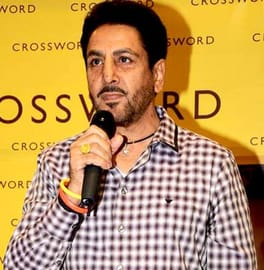
Photo: Bollywood Hungama / CC BY 3.0 (source: Wikimedia Commons)
Gurdas Maan is an actor, lyricist and songwriter. Gurdas Maan was born in Giddarbaha, Sri Muktsar Sahib district, India on January 4, 1957. That works out to 69 years old in 2026.
My Take
Gurdas Maan strikes me as a true cultural institution. Breaking out in 1980 with "Dil Da Mamla Hai" and then producing over 34 albums and more than 305 songs is a staggering body of work, and his reach across singing, acting, and writing shows rare versatility. What moves me is how firmly he is rooted in Punjabi language and tradition while achieving national fame. I have a soft spot for artists who carry their heritage on their backs, and his decades-long relevance speaks to an authenticity that trends can never manufacture.
This take was written by generative AI, one per person, from publicly reported facts (editorial policy). It is a reading of the record, not reporting.
1. Profile
- Name (English)
- Gurdas Maan
- Name (Japanese)
- グルダス・マーン
- Reading
- ぐるだす・まーん
- Born
- January 4, 1957 (age 69)
- Origin
- Giddarbaha, Sri Muktsar Sahib district, India
- Occupation
- actor / lyricist / songwriter / playback singer / writer
- Zodiac / Chinese zodiac
- Capricorn / Rooster
2. Links
- Official sitehttp://www.gurdasmaan.com/
- Instagramhttps://www.instagram.com/justgurdasmaan/
- Xhttps://x.com/gurdasmaan
- Wikipedia (English)https://en.wikipedia.org/wiki/Gurdas%20Maan
- Wikidatahttps://www.wikidata.org/wiki/Q3694931
3. About this entry
Tags
- Last updated
Facts are limited to publicly available information up to 2024; non-public or unconfirmed items are omitted. English text is machine-assisted (facts translated by Sonnet, "My Take" written by Opus 4.8). The Japanese page is the source of record.
Frequently asked questions
When was Gurdas Maan born?
Gurdas Maan was born on January 4, 1957 and is 69 years old.
Where is Gurdas Maan from?
Gurdas Maan is from Giddarbaha, Sri Muktsar Sahib district, India.
What does Gurdas Maan do?
Gurdas Maan works as actor, lyricist, songwriter, playback singer, writer.
Actor — see all → · Lyricist — see all → · More people from India → · More people born on January 4 →