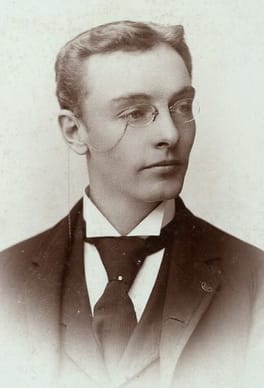
Photo: Harrison & Coover, Central Music Hall, Chicago / Public domain (source: Wikimedia Commons)
Harry Davenport was a film director, stage actor and film actor. Born on January 19, 1866, Harry Davenport was from New York City, New York, United States. Death is recorded on August 9, 1949, at the age of 83.
My Take
Harry Davenport is the kind of actor I find quietly heroic: a working performer from age six until his death in 1949, with a Broadway career so long it spanned generations before Hollywood ever called. When it did, he became the screen's go-to grandfather, judge, doctor, and minister, lending gravity to films like Gone with the Wind and Meet Me in St. Louis. He was never the star, but he was the ballast that kept scenes grounded. I have enormous respect for a lifetime craftsman who never stopped, who made supporting roles feel essential. His was a career measured in decades, not headlines.
This take was written by generative AI, one per person, from publicly reported facts (editorial policy). It is a reading of the record, not reporting.
1. Profile
- Name (English)
- Harry Davenport
- Name (Japanese)
- ハリー・ダヴェンポート
- Reading
- はりー・だゔぇんぽーと
- Born
- January 19, 1866 – August 9, 1949
- Origin
- New York City, New York, United States
- Occupation
- actor / film director / stage actor / film actor
- Zodiac / Chinese zodiac
- Capricorn / Tiger
2. Links
3. About this entry
Tags
- Last updated
Facts are limited to publicly available information up to 2024; non-public or unconfirmed items are omitted. English text is machine-assisted (facts translated by Sonnet, "My Take" written by Opus 4.8). The Japanese page is the source of record.
Frequently asked questions
When was Harry Davenport born?
Born January 19, 1866.
When did Harry Davenport die?
Died August 9, 1949, aged 83.
Where was Harry Davenport from?
Harry Davenport was from New York City, New York, United States.
What did Harry Davenport do?
Harry Davenport worked as actor, film director, stage actor, film actor.
Actor — see all → · Film director — see all → · More people from the United States →