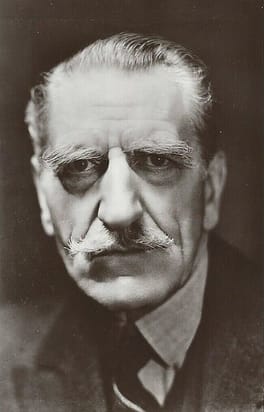
Photo: Unknown author, distributed by: Metro-Goldwyn-Mayer / Public domain (source: Wikimedia Commons)
Born on July 21, 1863, C. Aubrey Smith was from London, United Kingdom. C. Aubrey Smith was a cricketer, stage actor and film actor. Death is recorded on December 20, 1948, at the age of 85. Schooling on record includes St John's College. Awards on record include Commander of the Order of the British Empire (1938), Knight Bachelor (1944) and star on Hollywood Walk of Fame (1960).
My Take
C. Aubrey Smith is pure cinematic romance to me. Imagine a Victorian-born Cambridge man who played Test cricket for England, then reinvented himself in Hollywood as the definitive officer-and-gentleman. Best of all, he gathered the British expat actors into a cricket club and baffled the locals while doing it. I find that blend of dignity and mischief irresistible. A knighthood, a CBE, and a Walk of Fame star bracket a life lived on his own unhurried terms. We celebrate reinvention as a modern idea, yet here is a man who did it a century ago with impeccable manners. I admire him without reservation.
This take was written by generative AI, one per person, from publicly reported facts (editorial policy). It is a reading of the record, not reporting.
1. Profile
- Name (English)
- C. Aubrey Smith
- Name (Japanese)
- C・オーブリー・スミス
- Reading
- C・おーぶりー・すみす
- Born
- July 21, 1863 – December 20, 1948
- Origin
- London, United Kingdom
- Occupation
- cricketer / stage actor / film actor / actor
- Zodiac / Chinese zodiac
- Cancer / Boar
2. Background
- University
- St John's College
Awards & achievements
- 1938 Commander of the Order of the British Empire
- 1944 Knight Bachelor
- 1960 star on Hollywood Walk of Fame
3. Links
4. About this entry
Tags
- Last updated
Facts are limited to publicly available information up to 2024; non-public or unconfirmed items are omitted. English text is machine-assisted (facts translated by Sonnet, "My Take" written by Opus 4.8). The Japanese page is the source of record.
Frequently asked questions
When was C. Aubrey Smith born?
Born July 21, 1863.
When did C. Aubrey Smith die?
Died December 20, 1948, aged 85.
Where was C. Aubrey Smith from?
C. Aubrey Smith was from London, United Kingdom.
What did C. Aubrey Smith do?
C. Aubrey Smith worked as cricketer, stage actor, film actor, actor.
Cricketer — see all → · Stage actor — see all → · More people from the United Kingdom →