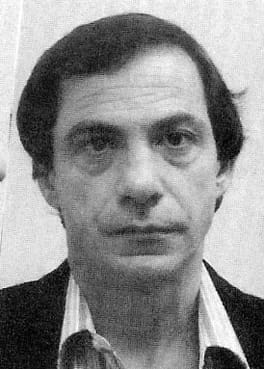
Photo: Unknown author / Public domain (source: Wikimedia Commons)
Public records list Henry Hill as a restorer, painter and restaurateur. Born on June 11, 1943, Henry Hill was from Brooklyn, New York, United States. Death is recorded on June 12, 2012, at the age of 69.
My Take
Every time I see Henry Hill's name, I think of Scorsese's Goodfellas, and for good reason. Born in Brooklyn in 1943, he was a genuine Lucchese-family mobster who flipped to become an FBI informant, helping secure some fifty convictions in one of the most extraordinary turns imaginable. What fascinates me is the afterlife: in witness protection he tried his hand at painting, restoration, even running restaurants, a strangely human coda to a violent past. He tasted glory, betrayal, and collapse all in one lifetime. I would never call him a good man, but the sheer stubborn will to keep living is, I admit, undeniably striking.
This take was written by generative AI, one per person, from publicly reported facts (editorial policy). It is a reading of the record, not reporting.
1. Profile
- Name (English)
- Henry Hill
- Name (Japanese)
- ヘンリー・ヒル
- Reading
- へんりー・ひる
- Born
- June 11, 1943 – June 12, 2012
- Origin
- Brooklyn, New York, United States
- Occupation
- restorer / painter / restaurateur / gangster / drug trafficker
- Zodiac / Chinese zodiac
- Gemini / Goat
2. Links
- Wikipedia (English)https://en.wikipedia.org/wiki/Henry%20Hill
- Wikipedia (Japanese)https://ja.wikipedia.org/wiki/%E3%83%98%E3%83%B3%E3%83%AA%E3%83%BC%E3%83%BB%E3%83%92%E3%83%AB
- Wikidatahttps://www.wikidata.org/wiki/Q558354
3. About this entry
Tags
- Last updated
Facts are limited to publicly available information up to 2024; non-public or unconfirmed items are omitted. English text is machine-assisted (facts translated by Sonnet, "My Take" written by Opus 4.8). The Japanese page is the source of record.
Frequently asked questions
When was Henry Hill born?
Born June 11, 1943.
When did Henry Hill die?
Died June 12, 2012, aged 69.
Where was Henry Hill from?
Henry Hill was from Brooklyn, New York, United States.
What did Henry Hill do?
Henry Hill worked as restorer, painter, restaurateur, gangster, drug trafficker.