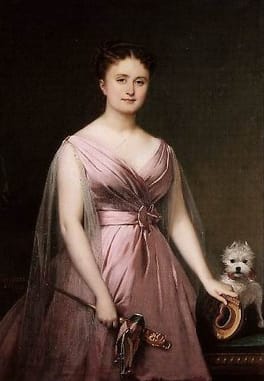
Photo: Alexis-Joseph Pérignon (1806-1882) / Public domain (source: Wikimedia Commons)
Hortense Schneider was an opera singer, stage actor and Soubrette. Hortense Schneider was born on April 30, 1833 in Bordeaux, France. Death is recorded on May 6, 1920, at the age of 87.
My Take
Hortense Schneider fascinates me precisely because of how little survives. Born in Bordeaux in 1833, she became the reigning operetta star of 19th-century Paris, the voice Offenbach wrote for. No recordings, almost no images, yet she conquered an era on presence and song alone, then lived to 87. I find something romantic and humbling in that: a provincial girl who became a legend purely through live performance and the memory of those who heard her. In our archive-everything age, her fame, built on applause and recollection, feels almost mythic.
This take was written by generative AI, one per person, from publicly reported facts (editorial policy). It is a reading of the record, not reporting.
1. Profile
- Name (English)
- Hortense Schneider
- Name (Japanese)
- オルタンス・シュネデール
- Reading
- おるたんす・しゅねでーる
- Born
- April 30, 1833 – May 6, 1920
- Origin
- Bordeaux, France
- Occupation
- actor / opera singer / stage actor / singer / Soubrette
- Zodiac / Chinese zodiac
- Taurus / Snake
2. Links
3. About this entry
Tags
- Last updated
Facts are limited to publicly available information up to 2024; non-public or unconfirmed items are omitted. English text is machine-assisted (facts translated by Sonnet, "My Take" written by Opus 4.8). The Japanese page is the source of record.
Frequently asked questions
When was Hortense Schneider born?
Born April 30, 1833.
When did Hortense Schneider die?
Died May 6, 1920, aged 87.
Where was Hortense Schneider from?
Hortense Schneider was from Bordeaux, France.
What did Hortense Schneider do?
Hortense Schneider worked as actor, opera singer, stage actor, singer, Soubrette.
Actor — see all → · Opera singer — see all → · More people from France →