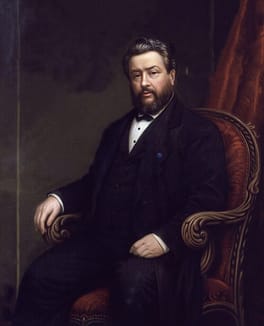
Photo: Alexander Melville / Public domain (source: Wikimedia Commons)
Charles Spurgeon was credited as a preacher, theologian and autobiographer. Charles Spurgeon was born on June 19, 1834 in Kelvedon, United Kingdom. Death is recorded on January 31, 1892, at the age of 57.
My Take
Spurgeon fascinates me less as a theological figure and more as a phenomenon of communication. The fact that a Victorian Baptist preacher, dead since 1892, still moves readers across denominations today says everything about the durability of conviction. He was preacher, theologian, hymnwriter, and autobiographer at once, refusing the fashionable, watered-down theology of his day. I find his stubborn integrity genuinely compelling. In an age of disposable content, a man whose spoken words outlived him by well over a century is worth studying simply as a master of the form, whatever one believes.
This take was written by generative AI, one per person, from publicly reported facts (editorial policy). It is a reading of the record, not reporting.
1. Profile
- Name (English)
- Charles Spurgeon
- Name (Japanese)
- チャールズ・スポルジョン
- Reading
- ちゃーるず・すぽるじょん
- Born
- June 19, 1834 – January 31, 1892
- Origin
- Kelvedon, United Kingdom
- Occupation
- preacher / theologian / autobiographer / hymnwriter / writer
- Zodiac / Chinese zodiac
- Gemini / Horse
2. Links
3. About this entry
Tags
- Last updated
Facts are limited to publicly available information up to 2024; non-public or unconfirmed items are omitted. English text is machine-assisted (facts translated by Sonnet, "My Take" written by Opus 4.8). The Japanese page is the source of record.
Frequently asked questions
When was Charles Spurgeon born?
Charles Spurgeon was born on June 19, 1834.
When did Charles Spurgeon die?
Charles Spurgeon died on January 31, 1892, aged 57.
Where was Charles Spurgeon from?
Charles Spurgeon was from Kelvedon, United Kingdom.
What did Charles Spurgeon do?
Charles Spurgeon worked as preacher, theologian, autobiographer, hymnwriter, writer.
Theologian — see all → · More people from the United Kingdom → · More people born on June 19 →