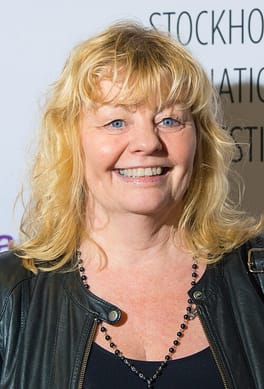
Photo: Frankie Fouganthin / CC BY-SA 4.0 (source: Wikimedia Commons)
Inger Nilsson, born on May 4, 1959 in Kisa, Östergötland County, Sweden, is a singer, film actor and secretary. Inger Nilsson is 67 years old as of 2026. Awards on record include Nordic Language Prize (2019) and Gullspiran (2023).
My Take
Nilsson carries something unusual: she is forever tied to one of the most beloved characters in children's culture. Playing Pippi Longstocking as a child in the 1969 Swedish series, she gave the world an image of fearless, anarchic girlhood that was dubbed into German, English and beyond. Many child stars vanish or resent their early fame, but Nilsson kept acting and singing into adulthood and was honoured with the Nordic Language Prize in 2019. What I respect is how she seems to wear Pippi as a badge rather than a burden, owning a role that shaped millions of childhoods, mine included in spirit.
This take was written by generative AI, one per person, from publicly reported facts (editorial policy). It is a reading of the record, not reporting.
1. Profile
- Name (English)
- Inger Nilsson
- Name (Japanese)
- インゲル・ニルッセン
- Reading
- いんげる・にるっせん
- Born
- May 4, 1959 (age 67)
- Origin
- Kisa, Östergötland County, Sweden
- Occupation
- actor / singer / film actor / secretary
- Zodiac / Chinese zodiac
- Taurus / Boar
2. Background
Awards & achievements
- 2019 Nordic Language Prize
- 2023 Gullspiran
3. Links
4. About this entry
Tags
- Last updated
Facts are limited to publicly available information up to 2024; non-public or unconfirmed items are omitted. English text is machine-assisted (facts translated by Sonnet, "My Take" written by Opus 4.8). The Japanese page is the source of record.
Frequently asked questions
When was Inger Nilsson born?
Born May 4, 1959 (age 67).
Where is Inger Nilsson from?
Inger Nilsson is from Kisa, Östergötland County, Sweden.
What does Inger Nilsson do?
Inger Nilsson works as actor, singer, film actor, secretary.
Actor — see all → · Singer — see all → · More people from Sweden →