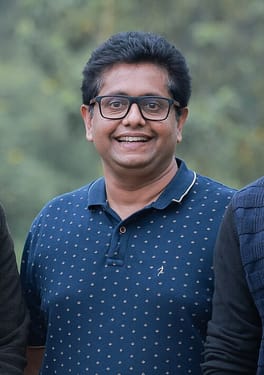
Photo: Wikigirl.gk7 / CC BY-SA 4.0 (source: Wikimedia Commons)
Born on November 10, 1972 in Elanji Grama Panchayat, Ernakulam district, India, Jeethu Joseph is a film director, screenwriter and actor. That puts Jeethu Joseph at 53 years old in 2026. Education on record includes St. Berchmans College.
My Take
What fascinates me about Jeethu Joseph is how exportable his storytelling is. When your Malayalam thrillers keep getting remade in Tamil, Hindi, and Telugu, sometimes by your own hand, that tells me the architecture of the plot, not star power, is doing the heavy lifting. Since his 2007 debut with Detective, he has built a reputation as a craftsman of suspense, the kind of director who trusts an audience to follow quiet clues rather than bombarding them with spectacle. I admire filmmakers who treat structure as an art form, and Joseph strikes me as one of Indian cinema's finest practitioners of the slow-burn reveal. He earns every twist.
This take was written by generative AI, one per person, from publicly reported facts (editorial policy). It is a reading of the record, not reporting.
1. Profile
- Name (English)
- Jeethu Joseph
- Name (Japanese)
- ジートゥ・ジョゼフ
- Reading
- じーとぅ・じょぜふ
- Born
- November 10, 1972 (age 53)
- Origin
- Elanji Grama Panchayat, Ernakulam district, India
- Occupation
- film director / screenwriter / actor
- Zodiac / Chinese zodiac
- Scorpio / Rat
2. Background
- University
- St. Berchmans College
3. Links
- Wikipedia (English)https://en.wikipedia.org/wiki/Jeethu%20Joseph
- Wikidatahttps://www.wikidata.org/wiki/Q14566057
4. About this entry
Tags
- Last updated
Facts are limited to publicly available information up to 2024; non-public or unconfirmed items are omitted. English text is machine-assisted (facts translated by Sonnet, "My Take" written by Opus 4.8). The Japanese page is the source of record.
Frequently asked questions
When was Jeethu Joseph born?
Born November 10, 1972 (age 53).
Where is Jeethu Joseph from?
Jeethu Joseph is from Elanji Grama Panchayat, Ernakulam district, India.
What does Jeethu Joseph do?
Jeethu Joseph works as film director, screenwriter, actor.
Film director — see all → · Screenwriter — see all → · More people from India →