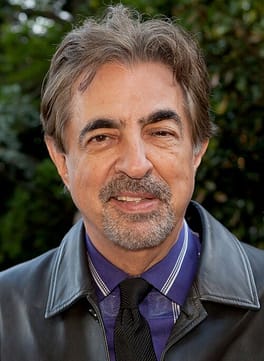
Photo: Cpl Tia Dufour / Public domain (source: Wikimedia Commons)
Joe Mantegna is listed as a film director, screenwriter and dub actor. Joe Mantegna was born in Chicago, Illinois, United States on November 13, 1947. That works out to 78 years old in 2026. Schooling on record includes J. Sterling Morton High School East and The Theatre School at DePaul University. Recorded honors include Tony Award for Best Featured Actor in a Play (1984), star on Hollywood Walk of Fame and Volpi Cup for Best Actor.
My Take
I've always had a soft spot for Joe Mantegna — the kind of character actor who makes every project better simply by showing up. This Chicago-born, DePaul-trained veteran won a Tony in 1984, which already tells you he had serious theatrical chops before Hollywood came calling. David Mamet clearly saw it too, casting him repeatedly in work that demanded precision and weight. Then came two iconic pop-culture runs that most actors would envy separately, let alone together: he's been the velvet-voiced mob boss Fat Tony on The Simpsons since 1991, and spent years as the gravel-steady David Rossi on Criminal Minds. Add a Volpi Cup from Venice and a star on the Hollywood Walk of Fame, and you've got a career that's quietly one of the most substantial in American acting.
This take was written by generative AI, one per person, from publicly reported facts (editorial policy). It is a reading of the record, not reporting.
1. Profile
- Name (English)
- Joe Mantegna
- Name (Japanese)
- ジョー・マンテーニャ
- Reading
- じょー・まんてーにゃ
- Born
- November 13, 1947 (age 78)
- Origin
- Chicago, Illinois, United States
- Occupation
- film director / screenwriter / dub actor / stage actor / film actor
- Zodiac / Chinese zodiac
- Scorpio / Boar
2. Background
- High school
- J. Sterling Morton High School East
- University
- The Theatre School at DePaul University
Awards & achievements
- 1984 Tony Award for Best Featured Actor in a Play
- star on Hollywood Walk of Fame
- Volpi Cup for Best Actor
3. Links
- Official sitehttps://joemantegna.com
- Xhttps://x.com/joemantegna
- Wikipedia (English)https://en.wikipedia.org/wiki/Joe%20Mantegna
- Wikipedia (Japanese)https://ja.wikipedia.org/wiki/%E3%82%B8%E3%83%A7%E3%83%BC%E3%83%BB%E3%83%9E%E3%83%B3%E3%83%86%E3%83%BC%E3%83%8B%E3%83%A3
- Wikidatahttps://www.wikidata.org/wiki/Q276269
4. About this entry
Tags
- Last updated
Only publicly available facts are listed; non-public or unconfirmed items are omitted. Base data was compiled from Wikidata from June 2026 onward; ages are recalculated daily and deaths are checked against Wikidata on an ongoing basis. English text is machine-assisted (facts translated by Sonnet, "My Take" written by Opus 4.8). The Japanese page is the source of record.
Frequently asked questions
When was Joe Mantegna born?
Joe Mantegna was born on November 13, 1947 and is 78 years old.
Where is Joe Mantegna from?
Joe Mantegna is from Chicago, Illinois, United States.
What does Joe Mantegna do?
Joe Mantegna works as film director, screenwriter, dub actor, stage actor, film actor.
Where did Joe Mantegna study?
Joe Mantegna attended The Theatre School at DePaul University.
Film director — see all → · Screenwriter — see all → · More people from the United States → · More people born on November 13 →