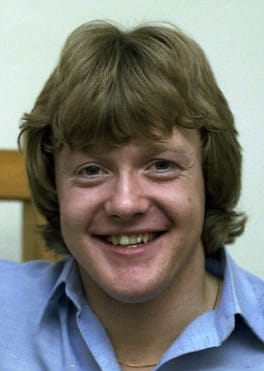
Photo: Tony Oldroyd / CC BY-SA 2.0 (source: Wikimedia Commons)
Keith Chegwin was born on January 17, 1957 in Liverpool, United Kingdom. Keith Chegwin was listed as a film actor, television presenter and television actor. Death is recorded on December 11, 2017, at the age of 60.
My Take
Keith Chegwin represents a vanishing breed of British entertainer, the warm-hearted presenter who built a career on making children smile. A Liverpudlian who dominated 1970s and 1980s kids television with Multi-Coloured Swap Shop and Cheggers Plays Pop, he also paid his dues in West End stage work. What I respect about Cheggers is how unglamorous yet genuinely valuable his craft was, bringing joy to ordinary households week after week. His death in 2017 closed a chapter of British broadcasting history. I think performers who devote themselves to gentle, family entertainment deserve far more credit than they usually get.
This take was written by generative AI, one per person, from publicly reported facts (editorial policy). It is a reading of the record, not reporting.
1. Profile
- Name (English)
- Keith Chegwin
- Name (Japanese)
- キース・チェグウィン
- Reading
- きーす・ちぇぐうぃん
- Born
- January 17, 1957 – December 11, 2017
- Origin
- Liverpool, United Kingdom
- Occupation
- film actor / television presenter / television actor
- Zodiac / Chinese zodiac
- Capricorn / Rooster
2. Links
- Official sitehttps://www.keithchegwin.com
- Wikipedia (English)https://en.wikipedia.org/wiki/Keith%20Chegwin
- Wikidatahttps://www.wikidata.org/wiki/Q3194729
3. About this entry
Tags
- Last updated
Facts are limited to publicly available information up to 2024; non-public or unconfirmed items are omitted. English text is machine-assisted (facts translated by Sonnet, "My Take" written by Opus 4.8). The Japanese page is the source of record.
Frequently asked questions
When was Keith Chegwin born?
Keith Chegwin was born on January 17, 1957.
When did Keith Chegwin die?
Keith Chegwin died on December 11, 2017, aged 60.
Where was Keith Chegwin from?
Keith Chegwin was from Liverpool, United Kingdom.
What did Keith Chegwin do?
Keith Chegwin worked as film actor, television presenter, television actor.
Film actor — see all → · Television presenter — see all → · More people from the United Kingdom → · More people born on January 17 →