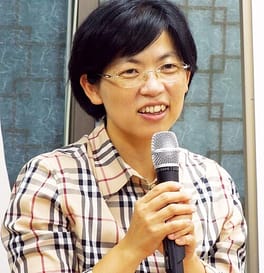
Photo: Lifefoto / CC BY-SA 3.0 (source: Wikimedia Commons)
Lee Jung-hee was born on December 22, 1969 in Seoul, South Korea. Lee Jung-hee is credited as an autobiographer, human rights defender and lawyer. The age as of 2026 is 56. Education on record includes Seoul National University.
My Take
I hold Lee Jung-hee in high regard for the single thread running through her whole career: protecting people. From Seoul National University to the bar, then human rights work, and finally politics as an 18th National Assembly member and a 2012 presidential candidate, she never drifted from that purpose. Standing at the front of politics as a woman in Korea was no small feat, yet she kept voicing the justice she believed in, controversy and all. That she chose to write her own life down tells me she wanted to record her era in her own words. I respect conviction that refuses to bend.
This take was written by generative AI, one per person, from publicly reported facts (editorial policy). It is a reading of the record, not reporting.
1. Profile
- Name (English)
- Lee Jung-hee
- Name (Japanese)
- 李正姬
- Reading
- い・じょんひ
- Born
- December 22, 1969 (age 56)
- Origin
- Seoul, South Korea
- Occupation
- autobiographer / human rights defender / lawyer / politician
- Zodiac / Chinese zodiac
- Capricorn / Rooster
2. Background
- University
- Seoul National University
3. Links
- Wikipedia (English)https://en.wikipedia.org/wiki/Lee%20Jung-hee
- Wikipedia (Japanese)https://ja.wikipedia.org/wiki/%E6%9D%8E%E6%AD%A3%E5%A7%AB
- Wikidatahttps://www.wikidata.org/wiki/Q224639
4. About this entry
Tags
- Last updated
Facts are limited to publicly available information up to 2024; non-public or unconfirmed items are omitted. English text is machine-assisted (facts translated by Sonnet, "My Take" written by Opus 4.8). The Japanese page is the source of record.
Frequently asked questions
When was Lee Jung-hee born?
Born December 22, 1969 (age 56).
Where is Lee Jung-hee from?
Lee Jung-hee is from Seoul, South Korea.
What does Lee Jung-hee do?
Lee Jung-hee works as autobiographer, human rights defender, lawyer, politician.
Autobiographer — see all → · Human rights defender — see all → · More people from South Korea →