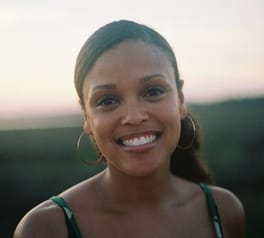
Photo: Jesmimi / CC BY-SA 3.0 (source: Wikimedia Commons)
Jesmyn Ward is a novelist, writer and autobiographer, born on April 1, 1977 in Mississippi, United States. Jesmyn Ward is 49 years old as of 2026. Schooling on record includes Stanford University. Awards on record include National Book Award (2011, 2017), PEN Oakland/Josephine Miles Literary Award (2012), MacArthur Fellows Program (2017) and 1 more. Notable works include Sing, Unburied, Sing, Salvage the Bones and Men We Reaped.
My Take
Jesmyn Ward is, in my view, one of the essential American voices of this century. Two National Book Awards, a MacArthur Fellowship, a Time 100 nod, a Stanford education, a Tulane professorship: the credentials are unimpeachable. But what moves me is the work itself. Salvage the Bones turned Hurricane Katrina into an intimate study of familial love, and Sing, Unburied, Sing reckons with the unburied past of the American South. She gives language to lives and losses that history tends to overlook. Her books are heavy to read precisely because they refuse to look away, and that refusal is her greatness.
This take was written by generative AI, one per person, from publicly reported facts (editorial policy). It is a reading of the record, not reporting.
1. Profile
- Name (English)
- Jesmyn Ward
- Name (Japanese)
- ジェスミン・ウォード
- Reading
- じぇすみん・うぉーど
- Born
- April 1, 1977 (age 49)
- Origin
- Mississippi, United States
- Occupation
- novelist / writer / autobiographer / university teacher / docent
- Zodiac / Chinese zodiac
- Aries / Snake
2. Background
- University
- Stanford University
Awards & achievements
- 2011 National Book Award
- 2012 PEN Oakland/Josephine Miles Literary Award
- 2017 MacArthur Fellows Program
- 2018 Time 100
- 2017 National Book Award
3. Works & records
Filmography / notable works
| Category | Title |
|---|---|
| Notable work | Sing, Unburied, Sing |
| Notable work | Salvage the Bones |
| Notable work | Men We Reaped |
4. Links
- Official sitehttps://www.jesmynwardauthor.com/
- Xhttps://x.com/jesmimi
- Wikipedia (English)https://en.wikipedia.org/wiki/Jesmyn%20Ward
- Wikipedia (Japanese)https://ja.wikipedia.org/wiki/%E3%82%B8%E3%82%A7%E3%82%B9%E3%83%9F%E3%83%B3%E3%83%BB%E3%82%A6%E3%82%A9%E3%83%BC%E3%83%89
- Wikidatahttps://www.wikidata.org/wiki/Q3177574
5. About this entry
Tags
- Last updated
Facts are limited to publicly available information up to 2024; non-public or unconfirmed items are omitted. English text is machine-assisted (facts translated by Sonnet, "My Take" written by Opus 4.8). The Japanese page is the source of record.
Frequently asked questions
When was Jesmyn Ward born?
Born April 1, 1977 (age 49).
Where is Jesmyn Ward from?
Jesmyn Ward is from Mississippi, United States.
What does Jesmyn Ward do?
Jesmyn Ward works as novelist, writer, autobiographer, university teacher, docent.
What is Jesmyn Ward known for?
Notable works include Sing, Unburied, Sing, Salvage the Bones, Men We Reaped.
Novelist — see all → · Writer — see all → · More people from the United States →