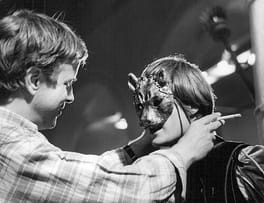
Photo: Emilio Lari / Public domain (source: Wikimedia Commons)
Leonard Whiting was born in London, United Kingdom on June 30, 1950. Leonard Whiting is credited as a child actor, stage actor and film actor. The age as of 2026 is 76.
My Take
I think Leonard Whiting is one of those actors whose single defining role is so perfectly matched to who he was at that exact moment in his life that it almost feels unfair to measure anything else against it. He was barely eighteen when Franco Zeffirelli cast him as Romeo in the 1968 film, and there's a rawness and genuine yearning in his performance that you simply cannot manufacture in a rehearsal room — it came from actually being that young and that reckless. The Golden Globe he won for it was well earned. What strikes me most is that the role endures not as a costume-drama relic but as the standard against which every screen Romeo since has been judged, which means Whiting's face and voice are quietly embedded in how a whole generation understands Shakespeare. That's a legacy most actors never get close to, even across a much longer career.
This take was written by generative AI, one per person, from publicly reported facts (editorial policy). It is a reading of the record, not reporting.
1. Profile
- Name (English)
- Leonard Whiting
- Name (Japanese)
- レナード・ホワイティング
- Reading
- れなーど・ほわいてぃんぐ
- Born
- June 30, 1950 (age 76)
- Origin
- London, United Kingdom
- Occupation
- child actor / stage actor / film actor / actor
- Zodiac / Chinese zodiac
- Cancer / Tiger
2. Links
3. About this entry
Tags
- Last updated
Only publicly available facts are listed; non-public or unconfirmed items are omitted. Base data was compiled from Wikidata from June 2026 onward; ages are recalculated daily and deaths are checked against Wikidata on an ongoing basis. English text is machine-assisted (facts translated by Sonnet, "My Take" written by Opus 4.8). The Japanese page is the source of record.
Frequently asked questions
When was Leonard Whiting born?
Leonard Whiting was born on June 30, 1950 and is 76 years old.
Where is Leonard Whiting from?
Leonard Whiting is from London, United Kingdom.
What does Leonard Whiting do?
Leonard Whiting works as child actor, stage actor, film actor, actor.
Child actor — see all → · Stage actor — see all → · More people from the United Kingdom → · More people born on June 30 →