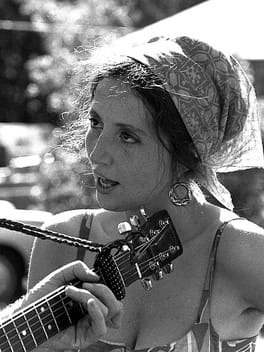
Photo: Ed Yourdon / CC BY-SA 2.0 (source: Wikimedia Commons)
My Take
Most casual listeners know Maria Muldaur for exactly one song, the sultry, camel-referencing Midnight at the Oasis, but that hit barely scratches the surface of a remarkable roots-music life. She came up through the Greenwich Village folk revival and the jug-band scene, and her real legacy is decades of deeply felt blues, gospel, and vintage jazz records made long after the radio spotlight moved on. There is a warmth and playfulness in her phrasing that never went away. She is the kind of lifelong musician who kept following the songs she loved rather than chasing charts, and that integrity is admirable.
This take was written by generative AI, one per person, from publicly reported facts (editorial policy). It is a reading of the record, not reporting.
Overview
Maria Muldaur (born Maria Grazia Rosa Domenica D'Amato on September 12, 1943, in New York City) is an American singer best known for her 1974 hit Midnight at the Oasis. Emerging from the Greenwich Village folk and jug-band scene, she has recorded extensively across folk, blues, jazz, and gospel. Over a career spanning decades she has released dozens of albums and earned multiple Grammy nominations for her later roots and blues work.
1. Profile
- Name (English)
- Maria Muldaur
- Name (Japanese)
- マリア・マルダー
- Reading
- まりあ・まるだー
- Born
- September 12, 1943 (age 83)
- Origin
- New York, New York, United States
- Occupation
- Musician / Singer
- Zodiac / Chinese zodiac
- Virgo / Goat
2. Background
- High school
- Hunter College High School
3. Links
- Official sitehttps://www.mariamuldaur.com/
- Wikipedia (English)https://en.wikipedia.org/wiki/Maria%20Muldaur
- Wikipedia (Japanese)https://ja.wikipedia.org/wiki/%E3%83%9E%E3%83%AA%E3%82%A2%E3%83%BB%E3%83%9E%E3%83%AB%E3%83%80%E3%83%BC
- Wikidatahttps://www.wikidata.org/wiki/Q465629
4. About this entry
Tags
- Last updated
Facts are limited to publicly available information up to 2024; non-public or unconfirmed items are omitted. English text is machine-assisted (facts translated by Sonnet, "My Take" written by Opus 4.8). The Japanese page is the source of record.
Frequently asked questions
When was Maria Muldaur born?
Born September 12, 1943 (age 83).
Where is Maria Muldaur from?
Maria Muldaur is from New York, New York, United States.
What does Maria Muldaur do?
Maria Muldaur works as Musician, Singer.
Musician — see all → · Singer — see all → · More people from the United States →