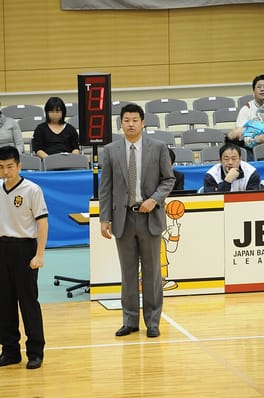
Photo: User:STB-1 / CC BY-SA 3.0 (source: Wikimedia Commons)
My Take
Masahiro Fujita is exactly the kind of guy who makes me appreciate what Japanese basketball quietly went through to get where it is today. Born in 1970 in Chiba, he came up through Nippon Sport Science University — the classic proving ground for serious Japanese athletes — at a time when pro basketball in Japan was nowhere near the infrastructure it has now. No B.League, no global spotlight, no Yuki Togashi highlight reels going viral. Just grind, fundamentals, and love of the game. I find something genuinely admirable about players from that generation who kept at it without the safety net of a polished league or big sponsorships. The foundation-builders rarely get the credit, but the whole house rests on them.
This take was written by generative AI, one per person, from publicly reported facts (editorial policy). It is a reading of the record, not reporting.
Overview
Masahiro Fujita is a Japanese basketball player born on July 16, 1970, in Chiba Prefecture, Japan. He attended Nippon Sport Science University, where he pursued his career in basketball. Most details of his personal and professional life remain private or undisclosed.
1. Profile
- Name (English)
- Masahiro Fujita
- Name (Japanese)
- 藤田将弘 (バスケットボール)
- Reading
- ふじた まさひろ
- Born
- July 16, 1970 (age 56)
- Origin
- Chiba Prefecture, Japan
- Occupation
- Basketball player
- Zodiac / Chinese zodiac
- Cancer / Dog
2. Background
- University
- Nippon Sport Science University
3. Links
4. About this entry
Tags
- Last updated
Facts are limited to publicly available information up to 2024; non-public or unconfirmed items are omitted. English text is machine-assisted (facts translated by Sonnet, "My Take" written by Opus 4.8). The Japanese page is the source of record.
Frequently asked questions
When was Masahiro Fujita born?
Born July 16, 1970 (age 56).
Where is Masahiro Fujita from?
Masahiro Fujita is from Chiba Prefecture, Japan.
What does Masahiro Fujita do?
Masahiro Fujita works as Basketball player.