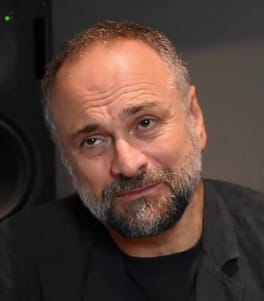
Photo: Emons Edizioni - Libri e Audiolibri / CC BY 3.0 (source: Wikimedia Commons)
Massimo Popolizio, born on July 4, 1961 in Genoa, Liguria, Italy, is a dub actor, stage actor and television actor. That puts Massimo Popolizio at 65 years old in 2026. Listed accolades include Nastro d'Argento Special, Nastro d'Argento for Best Supporting Actor and Ciak d'oro - best supporting actor.
My Take
Massimo Popolizio appeals to the part of me that loves serious craft over celebrity. Born in Genoa in 1961, he works across film and television, but what draws me in is his foundation in the theater and his voice work as a dubbing actor. Winning a Nastro d'Argento for Best Supporting Actor plus a special award marks him as the kind of performer who can quietly steal a scene. Holding the stage with your body and then carrying a character with your voice alone are two very different skills, and mastering both signals a true technician. I have a real weakness for actors prized by fellow professionals, and he is exactly that.
This take was written by generative AI, one per person, from publicly reported facts (editorial policy). It is a reading of the record, not reporting.
1. Profile
- Name (English)
- Massimo Popolizio
- Name (Japanese)
- マッシモ・ポポリツィオ
- Reading
- まっしも・ぽぽりつぃお
- Born
- July 4, 1961 (age 65)
- Origin
- Genoa, Liguria, Italy
- Occupation
- actor / dub actor / stage actor / television actor
- Zodiac / Chinese zodiac
- Cancer / Ox
2. Background
Awards & achievements
- Nastro d'Argento Special
- Nastro d'Argento for Best Supporting Actor
- Ciak d'oro - best supporting actor
3. Links
4. About this entry
Tags
- Last updated
Facts are limited to publicly available information up to 2024; non-public or unconfirmed items are omitted. English text is machine-assisted (facts translated by Sonnet, "My Take" written by Opus 4.8). The Japanese page is the source of record.
Frequently asked questions
When was Massimo Popolizio born?
Born July 4, 1961 (age 65).
Where is Massimo Popolizio from?
Massimo Popolizio is from Genoa, Liguria, Italy.
What does Massimo Popolizio do?
Massimo Popolizio works as actor, dub actor, stage actor, television actor.
Actor — see all → · Dub actor — see all → · More people from Italy →