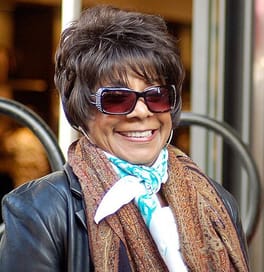
Photo: Angela George / CC BY-SA 3.0 (source: Wikimedia Commons)
Public records list Merry Clayton as a singer, actor and musician. Merry Clayton was born in Gert Town, Louisiana, United States on December 25, 1948. The age as of 2026 is 77.
My Take
Merry Clayton is the kind of artist I deeply respect, because her voice shaped songs that millions love without her name ever being on the marquee. Her duet with Mick Jagger on the Rolling Stones' "Gimme Shelter" still gives me chills, and the fact that she came up through soul and gospel tells me everything about where that raw power comes from. I was glad she finally got her due in 20 Feet from Stardom, the Oscar-winning documentary about background singers. To me she represents all the unsung talent that makes music history, and it feels right that her contribution is finally recognized.
This take was written by generative AI, one per person, from publicly reported facts (editorial policy). It is a reading of the record, not reporting.
1. Profile
- Name (English)
- Merry Clayton
- Name (Japanese)
- メリー・クレイトン
- Reading
- めりー・くれいとん
- Born
- December 25, 1948 (age 77)
- Origin
- Gert Town, Louisiana, United States
- Occupation
- singer / actor / musician
- Zodiac / Chinese zodiac
- Capricorn / Rat
2. Links
3. About this entry
Tags
- Last updated
Facts are limited to publicly available information up to 2024; non-public or unconfirmed items are omitted. English text is machine-assisted (facts translated by Sonnet, "My Take" written by Opus 4.8). The Japanese page is the source of record.
Frequently asked questions
When was Merry Clayton born?
Born December 25, 1948 (age 77).
Where is Merry Clayton from?
Merry Clayton is from Gert Town, Louisiana, United States.
What does Merry Clayton do?
Merry Clayton works as singer, actor, musician.
Singer — see all → · Actor — see all → · More people from the United States →