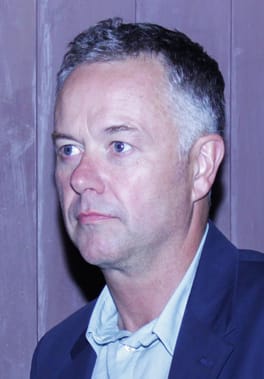
Photo: Ukrainian Film Festival Ltd. / CC BY-SA 3.0 (source: Wikimedia Commons)
Michael Winterbottom is listed as a film director, film editor and screenwriter. Born on March 29, 1961, Michael Winterbottom is from Blackburn, United Kingdom. The age as of 2026 is 65. Education on record includes University of Bristol. Credited works include In This World, Welcome to Sarajevo and The Road to Guantanamo.
My Take
Michael Winterbottom is one of those directors I genuinely admire for refusing to repeat himself. From Welcome to Sarajevo to In This World to The Road to Guantanamo, he keeps turning his camera toward uncomfortable real-world subjects, and that restlessness reads as conviction to me, not indecision. Three of his films competing for the Palme d'Or at Cannes tells me the industry takes that ambition seriously. I respect a filmmaker who came up through British television and never lost his appetite for difficult, political stories. Watching his work, I get the sense of someone more interested in the world than in his own brand.
This take was written by generative AI, one per person, from publicly reported facts (editorial policy). It is a reading of the record, not reporting.
1. Profile
- Name (English)
- Michael Winterbottom
- Name (Japanese)
- マイケル・ウィンターボトム
- Reading
- まいける・うぃんたーぼとむ
- Born
- March 29, 1961 (age 65)
- Origin
- Blackburn, United Kingdom
- Occupation
- film director / film editor / screenwriter / television director / film producer
- Zodiac / Chinese zodiac
- Aries / Ox
2. Background
- University
- University of Bristol
3. Works & records
Filmography / notable works
| Category | Title |
|---|---|
| Notable work | In This World |
| Notable work | Welcome to Sarajevo |
| Notable work | The Road to Guantanamo |
4. Links
5. About this entry
Tags
- Last updated
Facts are limited to publicly available information up to 2024; non-public or unconfirmed items are omitted. English text is machine-assisted (facts translated by Sonnet, "My Take" written by Opus 4.8). The Japanese page is the source of record.
Frequently asked questions
When was Michael Winterbottom born?
Born March 29, 1961 (age 65).
Where is Michael Winterbottom from?
Michael Winterbottom is from Blackburn, United Kingdom.
What does Michael Winterbottom do?
Michael Winterbottom works as film director, film editor, screenwriter, television director, film producer.
What is Michael Winterbottom known for?
Notable works include In This World, Welcome to Sarajevo, The Road to Guantanamo.
Film director — see all → · Film editor — see all → · More people from the United Kingdom →