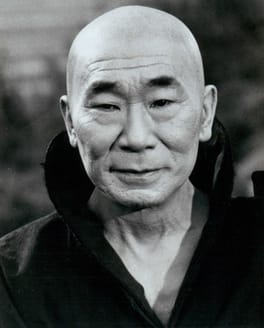
Photo: Warner Bros. Television Uploaded by We hope at en.wikipedia / Public domain (source: Wikimedia Commons)
Philip Ahn was born in Los Angeles, California, United States on March 29, 1905. Philip Ahn was credited as a film actor. Death is recorded on February 28, 1978, at the age of 72. Schooling on record includes University of Southern California. Listed accolades include star on Hollywood Walk of Fame (1984).
My Take
Philip Ahn deserves far more recognition than he gets. As the first Korean American film actor in Hollywood, his 180-plus credits between 1935 and 1978 weren't just a busy career; they were a sustained act of forcing open doors that the era kept shut to Asian Americans. I respect that he was an activist as well, and that he made the character-actor's craft his own rather than waiting for a leading-man system that wasn't built for him. There's real dignity in spending decades reliably elevating other people's stories. His 1984 Walk of Fame star reads, to me, as overdue acknowledgment of a genuine pioneer.
This take was written by generative AI, one per person, from publicly reported facts (editorial policy). It is a reading of the record, not reporting.
1. Profile
- Name (English)
- Philip Ahn
- Name (Japanese)
- フィリップ・アーン
- Reading
- ふぃりっぷ・あーん
- Born
- March 29, 1905 – February 28, 1978
- Origin
- Los Angeles, California, United States
- Occupation
- actor / film actor
- Zodiac / Chinese zodiac
- Aries / Snake
2. Background
- University
- University of Southern California
Awards & achievements
- 1984 star on Hollywood Walk of Fame
3. Links
4. About this entry
Tags
- Last updated
Facts are limited to publicly available information up to 2024; non-public or unconfirmed items are omitted. English text is machine-assisted (facts translated by Sonnet, "My Take" written by Opus 4.8). The Japanese page is the source of record.
Frequently asked questions
When was Philip Ahn born?
Born March 29, 1905.
When did Philip Ahn die?
Died February 28, 1978, aged 72.
Where was Philip Ahn from?
Philip Ahn was from Los Angeles, California, United States.
What did Philip Ahn do?
Philip Ahn worked as actor, film actor.
Actor — see all → · Film actor — see all → · More people from the United States →