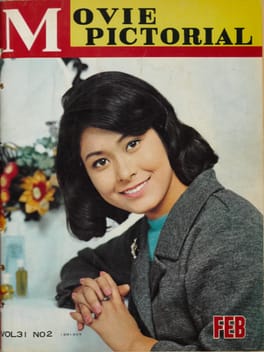
Photo: 国際情報社 / Public domain (source: Wikimedia Commons)
My Take
Mieko Nishio is one of those quietly fascinating figures from Japan's golden era of studio cinema — born in 1947 in Kagoshima, she came up through the Nikkatsu New Face program in 1963, which was basically the factory floor for the Japanese film industry's youth boom. What gets me is that she was literally a high school girl when she started landing film roles, and by all accounts she didn't look or act like one on screen. That's a particular kind of poise. She worked both sides of the performer coin — actress and singer — without mega-hitting either lane, which honestly might say more about the era's overcrowded talent pool than about her. She pivoted to TV drama, showed up in Playgirl, and kept working. No splashy scandal, no obvious superstar arc, just a professional who made the most of a very specific window in Japanese pop culture. I find that underrated kind of career genuinely interesting.
This take was written by generative AI, one per person, from publicly reported facts (editorial policy). It is a reading of the record, not reporting.
Overview
Mieko Nishio is a Japanese actress and singer born on July 11, 1947, in Kaseda, Kagoshima Prefecture, Japan. She joined Nikkatsu as a seventh-generation "New Face" in 1963 and debuted in 1964, moved into television dramas such as Playgirl after leaving the studio in 1966, and later founded the women's theater company Onna-juku.
1. Profile
- Name (English)
- Mieko Nishio
- Name (Japanese)
- 西尾三枝子
- Reading
- にしお みえこ
- Born
- July 11, 1947 (age 79)
- Origin
- Kaseda, Kagoshima Prefecture, Japan
- Occupation
- Actress / Singer
- Zodiac / Chinese zodiac
- Cancer / Boar
- Blood type
- A
- Active years
- 1964 - present
2. Works & records
Works summary
- Appearances
- 157 (1964–2017)
- By year (titles with a known year)
- 1964: 8, 1965: 11, 1966: 11, 1967: 18, 1968: 9, 1969: 11, 1970: 10, 1971: 3, 1973: 2, 1974: 2, 1975: 10, 1976: 8, 1977: 2, 1978: 2, 1980: 5, 1981: 5, 1982: 7, 1983: 5, 1984: 1, 1992: 1, 2001: 1, 2002: 1, 2003: 3, 2004: 1, 2005: 1, 2006: 4, 2007: 1, 2017: 1, year unknown: 13
- Debut work
- 明日ある道
Filmography / notable works
| Category | Title | Year |
|---|---|---|
| 短い手紙 | 2017 | |
| Stage | 博品館劇場公演 銀座ロマンpartIVとまり木の唄 | 2007 |
| Stage | 女塾新春特別公演 侠女狂艶騒動譚 | 2006 |
| Stage | 女塾プロデュース公演 蒼空 空どこまでも蒼く | 2006 |
| Stage | 劇集団鴉組公演 侠客 | 2006 |
| スカーレットの花 | 2006 | |
| Stage | 女塾第6回公演 サマー・キャンドル | 2005 |
| Stage | ING | 2004 |
| TV drama | 新・京都迷宮案内 | 2003 |
| Film | プレイガール | 2003 |
| Stage | 竜小太郎公演 瞼の母 | 2003 |
| Original video | ウィッチクローズ | 2002 |
| Original video | 時空警察ヴェッカー | 2001 |
| TV drama | プレイガール'92 | 1992 |
| TV drama | 痴漢 エリート団地妻VSハイミス姉妹 | 1984 |
| TV drama | 松本清張の断線 | 1983 |
| TV drama | バラバラ殺人の鍵は変身美女? | 1983 |
| TV drama | 妻たちの犯罪日誌! | 1983 |
| TV drama | 愛を裏切った女! | 1983 |
| TV drama | ポーラテレビ小説 おゆう | 1983 |
| TV drama | 松本清張の駅路 謎の伊勢路殺人紀行 | 1982 |
| TV drama | 「謀略血で染めた御用金強奪 | 1982 |
| TV drama | 校内暴力殺人事件-狙われた女教師 | 1982 |
| TV drama | Matsudaira Ukon Jikenchō | 1982 |
| TV drama | ザ・サスペンス 遠きに目ありて | 1982 |
| TV drama | ザ・ハングマンII | 1982 |
| TV drama | 私が殺した女 | 1982 |
| TV drama | 松本清張の小さな旅館 | 1981 |
| TV drama | 桃太郎侍 | 1981 |
| TV drama | 恐怖の処刑 空中引き回し | 1981 |
| TV drama | ドラマ・人間 '81年型説教強盗 | 1981 |
| TV drama | 十字路・ビラを配る女! | 1981 |
| TV drama | 艶技 鬼面潰し | 1980 |
| TV drama | Genta Ikenaka 80 kg | 1980 |
| TV drama | さよならお竜さん | 1980 |
| TV drama | Keishi-K | 1980 |
| TV drama | 小太刀に濡らす涙雨 | 1980 |
| TV drama | やくざ同心怒りの復讐 | 1978 |
| TV drama | 十字路 | 1978 |
| TV drama | 傷だらけ涙の人情駕籠 | 1977 |
| TV drama | 大都会 PARTII | 1977 |
| TV drama | 女ごころの謎 | 1976 |
| TV drama | 愛情の海 | 1976 |
| TV drama | 女ごろし裸の手配師 | 1976 |
| TV drama | 殺しを呼んだ女の柔肌 | 1976 |
| TV drama | 大都会 闘いの日々 | 1976 |
| TV drama | 大非常線 | 1976 |
| TV drama | ベルサイユのトラック姐ちゃん | 1976 |
| Film | 凍河 とうが | 1976 |
| TV drama | 女極道うらみ節 | 1975 |
| TV drama | 女は一度勝負する | 1975 |
| TV drama | 女の武器は燃えた肌 | 1975 |
| TV drama | プレイガールシリーズ300回記念作品 東京エマニエル夫人 | 1975 |
| TV drama | 燃える屍 | 1975 |
| TV drama | 富士に響く銃声 | 1975 |
| TV drama | Kizu Darake no Tenshi | 1975 |
| TV drama | 顔 | 1975 |
| TV drama | 一筆啓上怨霊が見えた | 1975 |
3. Links
4. About this entry
Tags
- Last updated
Only publicly available facts are listed; non-public or unconfirmed items are omitted. Base data was compiled from Wikidata from June 2026 onward; ages are recalculated daily and deaths are checked against Wikidata on an ongoing basis. Works and profile fields sourced from Wikipedia reflect content as of 2026-08-26. English text is machine-assisted (facts translated by Sonnet, "My Take" written by Opus 4.8). The Japanese page is the source of record.
Frequently asked questions
When was Mieko Nishio born?
Mieko Nishio was born on July 11, 1947 and is 79 years old.
Where is Mieko Nishio from?
Mieko Nishio is from Kaseda, Kagoshima Prefecture, Japan.
What does Mieko Nishio do?
Mieko Nishio works as Actress, Singer.
What is Mieko Nishio's blood type?
Mieko Nishio's blood type is A.
How long has Mieko Nishio been active?
Mieko Nishio's recorded active years are 1964 - present.
What is Mieko Nishio known for?
Mieko Nishio's notable works include ING.
Actress — see all → · Singer — see all → · More people from Japan → · More people born on July 11 →