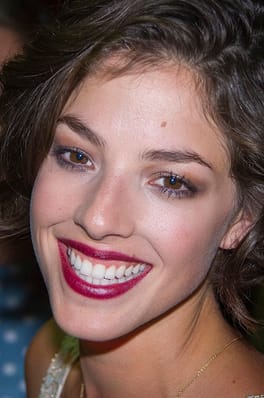
Photo: Pete Morawski / CC BY 3.0 (source: Wikimedia Commons)
Olivia Thirlby was born in New York City, New York, United States on October 6, 1986. Olivia Thirlby is credited as a stage actor, television actor and film actor. The age as of 2026 is 40.
My Take
Olivia Thirlby is one of those actors who genuinely deserved more Hollywood real estate than she got. Her turn as Leah in Juno is one of the great best-friend performances of the 2000s — sharp, funny, and completely lived-in, without a single false note. Then she went and held her own opposite Karl Urban in Dredd, playing Judge Anderson with a quiet authority that made you wish they'd made five sequels. What I love about her is that she's never been a careerist in the obvious sense — she's done theater, she's taken smaller projects, she's refused to be boxed in. The Oppenheimer credit in 2023 was a nice reminder that smart directors still know where to find her. A criminally underrated New Yorker with real range.
This take was written by generative AI, one per person, from publicly reported facts (editorial policy). It is a reading of the record, not reporting.
1. Profile
- Name (English)
- Olivia Thirlby
- Name (Japanese)
- オリヴィア・サールビー
- Reading
- おりゔぃあ・さーるびー
- Born
- October 6, 1986 (age 40)
- Origin
- New York City, New York, United States
- Occupation
- actor / stage actor / television actor / film actor
- Zodiac / Chinese zodiac
- Libra / Tiger
2. Links
- Official sitehttps://oliviathirlby.org/
- Instagramhttps://www.instagram.com/miss.ot/
- Xhttps://x.com/missthirlby
- Wikipedia (English)https://en.wikipedia.org/wiki/Olivia%20Thirlby
- Wikipedia (Japanese)https://ja.wikipedia.org/wiki/%E3%82%AA%E3%83%AA%E3%83%B4%E3%82%A3%E3%82%A2%E3%83%BB%E3%82%B5%E3%83%BC%E3%83%AB%E3%83%93%E3%83%BC
- Wikidatahttps://www.wikidata.org/wiki/Q242550
3. About this entry
Tags
- Last updated
Only publicly available facts are listed; non-public or unconfirmed items are omitted. Base data was compiled from Wikidata from June 2026 onward; ages are recalculated daily and deaths are checked against Wikidata on an ongoing basis. English text is machine-assisted (facts translated by Sonnet, "My Take" written by Opus 4.8). The Japanese page is the source of record.
Frequently asked questions
When was Olivia Thirlby born?
Olivia Thirlby was born on October 6, 1986 and is 40 years old.
Where is Olivia Thirlby from?
Olivia Thirlby is from New York City, New York, United States.
What does Olivia Thirlby do?
Olivia Thirlby works as actor, stage actor, television actor, film actor.
Actor — see all → · Stage actor — see all → · More people from the United States → · More people born on October 6 →