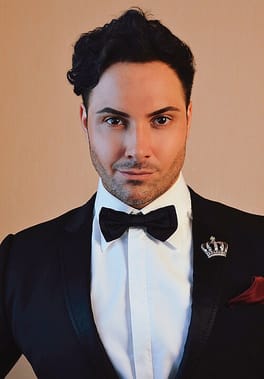
Photo: Stollenlovesfruits777 / CC BY-SA 4.0 (source: Wikimedia Commons)
Paolo Andrea Di Pietro is a voice actor, lyricist and opera singer, born on November 8, 1986 in Milan, province of Milan, Italy. That puts Paolo Andrea Di Pietro at 39 years old in 2026. Education on record includes University of Milan.
My Take
I have a genuine soft spot for Paolo Andrea Di Pietro, because his career is the kind of left-field arc you don't see every day — a Milan-born guy who studied at the University of Milan, somehow found his way to Japan, and built an entire life there as a foreign talent. Actor, voice actor, opera singer, lyricist: he's not padding out a resume, that range just seems to be who he is. There's something quietly impressive about an Italian making a name for himself on Japanese TV and in Japanese films, navigating a language and culture that most foreigners never crack.
This take was written by generative AI, one per person, from publicly reported facts (editorial policy). It is a reading of the record, not reporting.
1. Profile
- Name (English)
- Paolo Andrea Di Pietro
- Name (Japanese)
- パオロ
- Reading
- ぱおろ
- Born
- November 8, 1986 (age 39)
- Origin
- Milan, province of Milan, Italy
- Occupation
- actor / voice actor / lyricist / opera singer
- Zodiac / Chinese zodiac
- Scorpio / Tiger
2. Background
- University
- University of Milan
3. Links
- Instagramhttps://www.instagram.com/paolojapan/
- Xhttps://x.com/paoloadp
- Wikipedia (English)https://en.wikipedia.org/wiki/Paolo%20Andrea%20Di%20Pietro
- Wikipedia (Japanese)https://ja.wikipedia.org/wiki/%E3%83%91%E3%82%AA%E3%83%AD%20(%E3%82%BF%E3%83%AC%E3%83%B3%E3%83%88)
- Wikidatahttps://www.wikidata.org/wiki/Q64784107
4. About this entry
Tags
- Last updated
Facts are limited to publicly available information up to 2024; non-public or unconfirmed items are omitted. English text is machine-assisted (facts translated by Sonnet, "My Take" written by Opus 4.8). The Japanese page is the source of record.
Frequently asked questions
When was Paolo Andrea Di Pietro born?
Born November 8, 1986 (age 39).
Where is Paolo Andrea Di Pietro from?
Paolo Andrea Di Pietro is from Milan, province of Milan, Italy.
What does Paolo Andrea Di Pietro do?
Paolo Andrea Di Pietro works as actor, voice actor, lyricist, opera singer.
Actor — see all → · Voice actor — see all → · More people from Italy →