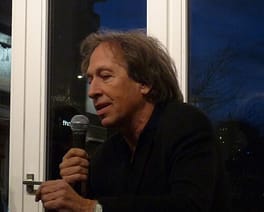
Photo: Ji-Elle / CC BY-SA 3.0 (source: Wikimedia Commons)
Born on December 15, 1948, Pascal Bruckner is from 15th arrondissement of Paris, France. Pascal Bruckner is a novelist, essayist and screenwriter. That works out to 77 years old in 2026. Education on record includes Paris Diderot University. Listed accolades include Prix Médicis essai (1995), Prix Renaudot (1997), Prix du livre incorrect (2012) and 2 more.
My Take
Pascal Bruckner is a writer I'd like to read more closely. Emerging in the 1970s as one of France's "New Philosophers," he has spent decades turning a critical eye on his own society and culture, which is the bravest target an essayist can choose. The Prix Renaudot in 1997, preceded by the Prix Médicis for essays, signals a serious voice in both fiction and commentary, and a path from the Lycée Henri-IV to Paris Diderot University marks him as an intellectual to the core. Ideas that refuse to flatter can be unwelcome, and I respect thinkers who speak plainly anyway; he clearly belongs in that company.
This take was written by generative AI, one per person, from publicly reported facts (editorial policy). It is a reading of the record, not reporting.
1. Profile
- Name (English)
- Pascal Bruckner
- Name (Japanese)
- パスカル・ブルックナー
- Reading
- ぱすかる・ぶるっくなー
- Born
- December 15, 1948 (age 77)
- Origin
- 15th arrondissement of Paris, France
- Occupation
- novelist / essayist / screenwriter / philosopher / writer
- Zodiac / Chinese zodiac
- Sagittarius / Rat
2. Background
- University
- Paris Diderot University
Awards & achievements
- 1995 Prix Médicis essai
- 1997 Prix Renaudot
- 2012 Prix du livre incorrect
- 2002 Economics Book Prize
- 2014 Marcel Pagnol Award
3. Links
4. About this entry
Tags
- Last updated
Facts are limited to publicly available information up to 2024; non-public or unconfirmed items are omitted. English text is machine-assisted (facts translated by Sonnet, "My Take" written by Opus 4.8). The Japanese page is the source of record.
Frequently asked questions
When was Pascal Bruckner born?
Born December 15, 1948 (age 77).
Where is Pascal Bruckner from?
Pascal Bruckner is from 15th arrondissement of Paris, France.
What does Pascal Bruckner do?
Pascal Bruckner works as novelist, essayist, screenwriter, philosopher, writer.
Novelist — see all → · Essayist — see all → · More people from France →