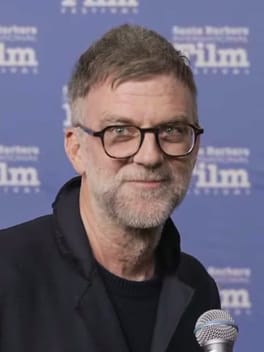
Photo: Lyn Fairly Media / CC BY 3.0 (source: Wikimedia Commons)
Paul Thomas Anderson is a film director, screenwriter and film producer, born on June 26, 1970 in Studio City, California, United States. Paul Thomas Anderson is 56 years old as of 2026. Education on record includes New York University. Awards on record include Cannes Best Director Award (2002), Golden Bear (2000) and Silver Bear for Best Director (2008).
My Take
Paul Thomas Anderson is the filmmaker I trust most among his generation. What strikes me is not just the festival haul — Cannes, a Golden Bear, a Silver Bear — but the fact that he has never repeated himself; each film reinvents his own grammar. Growing up in Studio City, practically inside the industry, could have made him a slick insider, yet his work feels handmade and obsessive in the best way. I admire how he draws career-defining performances out of actors without ever showing off. For me, a new Anderson film is an event, full stop, and I plan my month around it.
This take was written by generative AI, one per person, from publicly reported facts (editorial policy). It is a reading of the record, not reporting.
1. Profile
- Name (English)
- Paul Thomas Anderson
- Name (Japanese)
- ポール・トーマス・アンダーソン
- Reading
- ぽーる・とーます・あんだーそん
- Born
- June 26, 1970 (age 56)
- Origin
- Studio City, California, United States
- Occupation
- film director / screenwriter / film producer / cinematographer / director
- Zodiac / Chinese zodiac
- Cancer / Dog
2. Background
- University
- New York University
Awards & achievements
- 2002 Cannes Best Director Award
- 2000 Golden Bear
- 2008 Silver Bear for Best Director
3. Links
- Instagramhttps://www.instagram.com/paulthomasanderson/
- Wikipedia (English)https://en.wikipedia.org/wiki/Paul%20Thomas%20Anderson
- Wikipedia (Japanese)https://ja.wikipedia.org/wiki/%E3%83%9D%E3%83%BC%E3%83%AB%E3%83%BB%E3%83%88%E3%83%BC%E3%83%9E%E3%82%B9%E3%83%BB%E3%82%A2%E3%83%B3%E3%83%80%E3%83%BC%E3%82%BD%E3%83%B3
- Wikidatahttps://www.wikidata.org/wiki/Q25132
4. About this entry
Tags
- Last updated
Facts are limited to publicly available information up to 2024; non-public or unconfirmed items are omitted. English text is machine-assisted (facts translated by Sonnet, "My Take" written by Opus 4.8). The Japanese page is the source of record.
Frequently asked questions
When was Paul Thomas Anderson born?
Born June 26, 1970 (age 56).
Where is Paul Thomas Anderson from?
Paul Thomas Anderson is from Studio City, California, United States.
What does Paul Thomas Anderson do?
Paul Thomas Anderson works as film director, screenwriter, film producer, cinematographer, director.
Film director — see all → · Screenwriter — see all → · More people from the United States →