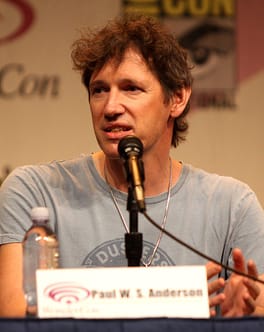
Photo: Gage Skidmore / CC BY-SA 3.0 (source: Wikimedia Commons)
Paul W. S. Anderson is credited as a film director, film producer and film screenwriter. Paul W. S. Anderson was born on March 4, 1965 in Wallsend, United Kingdom. That works out to 61 years old in 2026. Schooling on record includes University of Warwick.
My Take
I have a soft spot for Paul W. S. Anderson because he represents a kind of filmmaker critics rarely reward: the reliable craftsman of popcorn cinema. From his scrappy debut Shopping to a long career of science fiction and video game adaptations, he has consistently delivered exactly what his audience came for, on budget and with visible enthusiasm for the material. Co-founding Impact Pictures gave him an independence most directors only dream about. He may never collect prestige trophies, but sustaining a decades-long career in such an unforgiving genre takes real skill and self-awareness, and I respect that far more than one fluke masterpiece.
This take was written by generative AI, one per person, from publicly reported facts (editorial policy). It is a reading of the record, not reporting.
1. Profile
- Name (English)
- Paul W. S. Anderson
- Name (Japanese)
- ポール・W・S・アンダーソン
- Reading
- ぽーる・W・S・あんだーそん
- Born
- March 4, 1965 (age 61)
- Origin
- Wallsend, United Kingdom
- Occupation
- film director / screenwriter / film producer / film screenwriter / writer
- Zodiac / Chinese zodiac
- Pisces / Snake
2. Background
- University
- University of Warwick
3. Links
4. About this entry
Tags
- Last updated
Facts are limited to publicly available information up to 2024; non-public or unconfirmed items are omitted. English text is machine-assisted (facts translated by Sonnet, "My Take" written by Opus 4.8). The Japanese page is the source of record.
Frequently asked questions
When was Paul W. S. Anderson born?
Born March 4, 1965 (age 61).
Where is Paul W. S. Anderson from?
Paul W. S. Anderson is from Wallsend, United Kingdom.
What does Paul W. S. Anderson do?
Paul W. S. Anderson works as film director, screenwriter, film producer, film screenwriter, writer.
Film director — see all → · Screenwriter — see all → · More people from the United Kingdom →