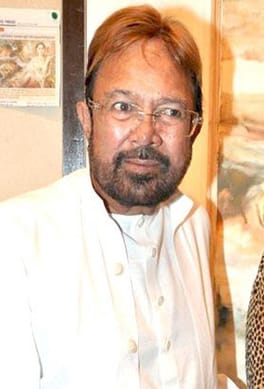
Photo: Bollywood Hungama / CC BY 3.0 (source: Wikimedia Commons)
Born on December 29, 1942 in Amritsar, Amritsar district, India, Rajesh Khanna was a film actor, politician and film producer. Rajesh Khanna died on July 18, 2012, aged 69. Schooling on record includes St. Sebastian Goan High School and Ness Wadia College of Commerce. Awards on record include Filmfare Award for Best Actor (1971, 1972, 1975), BFJA Awards for Best Actor (1972, 1973, 1974, 1987) and Filmfare Special Award (1973).
My Take
Rajesh Khanna fascinates me as the prototype of modern stardom in India. Before anyone refined the term, he was the first superstar of Hindi cinema, and his cluster of Filmfare and BFJA awards in the early 1970s marks a run of dominance few actors anywhere have matched. What I find most telling is how completely he embodied romantic charisma for an entire generation, and how the industry has been chasing that level of mania ever since. His later turns as producer and politician read to me like a star testing the limits of his own myth. An essential, foundational figure.
This take was written by generative AI, one per person, from publicly reported facts (editorial policy). It is a reading of the record, not reporting.
1. Profile
- Name (English)
- Rajesh Khanna
- Name (Japanese)
- ラジェシュ・カーンナ
- Reading
- らじぇしゅ・かーんな
- Born
- December 29, 1942 – July 18, 2012
- Origin
- Amritsar, Amritsar district, India
- Occupation
- film actor / politician / film producer / singer / television actor
- Zodiac / Chinese zodiac
- Capricorn / Horse
2. Background
- High school
- St. Sebastian Goan High School
- University
- Ness Wadia College of Commerce
Awards & achievements
- 1971 Filmfare Award for Best Actor
- 1972 Filmfare Award for Best Actor
- 1972 BFJA Awards for Best Actor
- 1973 BFJA Awards for Best Actor
- 1973 Filmfare Special Award
- 1974 BFJA Awards for Best Actor
- 1975 Filmfare Award for Best Actor
- 1987 BFJA Awards for Best Actor
3. Links
- Wikipedia (English)https://en.wikipedia.org/wiki/Rajesh%20Khanna
- Wikidatahttps://www.wikidata.org/wiki/Q107130
4. About this entry
Tags
- Last updated
Facts are limited to publicly available information up to 2024; non-public or unconfirmed items are omitted. English text is machine-assisted (facts translated by Sonnet, "My Take" written by Opus 4.8). The Japanese page is the source of record.
Frequently asked questions
When was Rajesh Khanna born?
Born December 29, 1942.
When did Rajesh Khanna die?
Died July 18, 2012, aged 69.
Where was Rajesh Khanna from?
Rajesh Khanna was from Amritsar, Amritsar district, India.
What did Rajesh Khanna do?
Rajesh Khanna worked as film actor, politician, film producer, singer, television actor.
Film actor — see all → · Politician — see all → · More people from India →