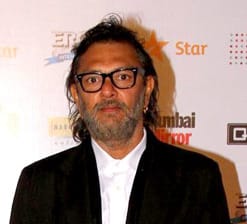
Photo: Bollywood Hungama / CC BY 3.0 (source: Wikimedia Commons)
Rakeysh Omprakash Mehra is a film director, screenwriter and film producer, born on July 7, 1963 in New Delhi, India. Rakeysh Omprakash Mehra is 63 years old as of 2026. Education on record includes Shri Ram College of Commerce. Recorded honors include Filmfare Award for Best Director (2007, 2014).
My Take
Rakeysh Omprakash Mehra is, to me, one of the most purposeful storytellers in Indian cinema. A commerce graduate who became a filmmaker, he never settled for pure entertainment: Rang De Basanti and Bhaag Milkha Bhaag fuse spectacle with real social and emotional weight, and the two Filmfare Best Director awards feel well earned. What I admire is his refusal to separate message from craft; his films ask something of the audience. I think directors who can move a crowd while making them reflect are rare, and I look forward to whatever he chooses to say next.
This take was written by generative AI, one per person, from publicly reported facts (editorial policy). It is a reading of the record, not reporting.
1. Profile
- Name (English)
- Rakeysh Omprakash Mehra
- Name (Japanese)
- ラケーシュ・オームプラカーシュ・メーラ
- Reading
- らけーしゅ・おーむぷらかーしゅ・めーら
- Born
- July 7, 1963 (age 63)
- Origin
- New Delhi, India
- Occupation
- film director / screenwriter / film producer / filmmaker
- Zodiac / Chinese zodiac
- Cancer / Rabbit
2. Background
- University
- Shri Ram College of Commerce
Awards & achievements
- 2007 Filmfare Award for Best Director
- 2014 Filmfare Award for Best Director
3. Links
- Wikipedia (English)https://en.wikipedia.org/wiki/Rakeysh%20Omprakash%20Mehra
- Wikidatahttps://www.wikidata.org/wiki/Q3065916
4. About this entry
Tags
- Last updated
Facts are limited to publicly available information up to 2024; non-public or unconfirmed items are omitted. English text is machine-assisted (facts translated by Sonnet, "My Take" written by Opus 4.8). The Japanese page is the source of record.
Frequently asked questions
When was Rakeysh Omprakash Mehra born?
Rakeysh Omprakash Mehra was born on July 7, 1963 and is 63 years old.
Where is Rakeysh Omprakash Mehra from?
Rakeysh Omprakash Mehra is from New Delhi, India.
What does Rakeysh Omprakash Mehra do?
Rakeysh Omprakash Mehra works as film director, screenwriter, film producer, filmmaker.
Where did Rakeysh Omprakash Mehra study?
Rakeysh Omprakash Mehra attended Shri Ram College of Commerce.
Film director — see all → · Screenwriter — see all → · More people from India → · More people born on July 7 →