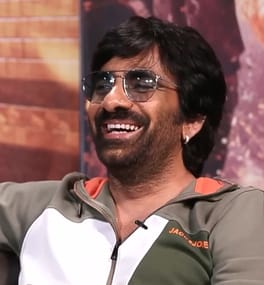
Photo: People Media Factory / CC BY 3.0 (source: Wikimedia Commons)
Born on January 26, 1962, Ravi Teja is from Jaggampeta, East Godavari district, India. Ravi Teja is credited as an actor. That works out to 64 years old in 2026. Awards on record include Nandi Award.
My Take
Ravi Teja is one of those performers whose value lives in the rhythm rather than the resume. Telugu cinema has plenty of stars, but few who can carry a film on comic timing alone the way he does, and I respect that he kept his tempo even as the years stacked up. The three Nandi Awards and repeated Forbes India listings confirm he is no lightweight novelty act. What draws me to him is the craft underneath the energy: the instinct for exactly when to land a beat. He never feels like he is coasting on fame, and that discipline keeps me curious about whatever he does next.
This take was written by generative AI, one per person, from publicly reported facts (editorial policy). It is a reading of the record, not reporting.
1. Profile
- Name (English)
- Ravi Teja
- Name (Japanese)
- ラヴィ・テジャ
- Reading
- らゔぃ・てじゃ
- Born
- January 26, 1962 (age 64)
- Origin
- Jaggampeta, East Godavari district, India
- Occupation
- actor
- Zodiac / Chinese zodiac
- Aquarius / Tiger
2. Background
Awards & achievements
- Nandi Award
3. Links
- Instagramhttps://www.instagram.com/raviteja_2628/
- Xhttps://x.com/RaviTeja_offl
- Wikipedia (English)https://en.wikipedia.org/wiki/Ravi%20Teja
- Wikidatahttps://www.wikidata.org/wiki/Q7296669
4. About this entry
Tags
- Last updated
Facts are limited to publicly available information up to 2024; non-public or unconfirmed items are omitted. English text is machine-assisted (facts translated by Sonnet, "My Take" written by Opus 4.8). The Japanese page is the source of record.
Frequently asked questions
When was Ravi Teja born?
Ravi Teja was born on January 26, 1962 and is 64 years old.
Where is Ravi Teja from?
Ravi Teja is from Jaggampeta, East Godavari district, India.
What does Ravi Teja do?
Ravi Teja works as actor.
Actor — see all → · More people from India → · More people born on January 26 →