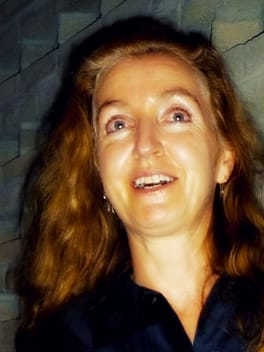
Photo: Charles Kremenak / CC BY 2.5 (source: Wikimedia Commons)
My Take
Rebecca Solnit writes essays that wander like a long walk and somehow arrive exactly where they need to. Her piece "Men Explain Things to Me" seeded a word that reshaped how a generation talks about power and condescension, even though she never used it herself. But pinning her to that would miss the range: Wanderlust on walking, A Field Guide to Getting Lost, her sharp climate and political writing. What I love is her stubborn hope, an insistence that the future is unwritten and that despair is a kind of laziness. She makes thinking feel like an act of resistance and a pleasure at once.
This take was written by generative AI, one per person, from publicly reported facts (editorial policy). It is a reading of the record, not reporting.
Overview
Rebecca Solnit is an American writer, historian, and activist born June 24, 1961, in Bridgeport, Connecticut. A prolific author and essayist, she writes on subjects ranging from feminism, the environment, and politics to art, place, and the act of walking. She studied at San Francisco State University, received a Guggenheim Fellowship, and is widely credited with inspiring the term "mansplaining" through her essay "Men Explain Things to Me."
1. Profile
- Name (English)
- Rebecca Solnit
- Name (Japanese)
- レベッカ・ソルニット
- Reading
- れべっか・そるにっと
- Born
- June 24, 1961 (age 65)
- Origin
- Bridgeport, Connecticut, United States
- Occupation
- Art historian / Journalist / Writer / Author / Environmentalist
- Zodiac / Chinese zodiac
- Cancer / Ox
2. Background
- University
- San Francisco State University
Awards & achievements
- 2000 Guggenheim Fellowship
3. Links
- Official sitehttps://rebeccasolnit.net
- Xhttps://x.com/RebeccaSolnit
- Wikipedia (English)https://en.wikipedia.org/wiki/Rebecca%20Solnit
- Wikipedia (Japanese)https://ja.wikipedia.org/wiki/%E3%83%AC%E3%83%99%E3%83%83%E3%82%AB%E3%83%BB%E3%82%BD%E3%83%AB%E3%83%8B%E3%83%83%E3%83%88
- Wikidatahttps://www.wikidata.org/wiki/Q2134968
4. About this entry
Tags
- Last updated
Facts are limited to publicly available information up to 2024; non-public or unconfirmed items are omitted. English text is machine-assisted (facts translated by Sonnet, "My Take" written by Opus 4.8). The Japanese page is the source of record.
Frequently asked questions
When was Rebecca Solnit born?
Born June 24, 1961 (age 65).
Where is Rebecca Solnit from?
Rebecca Solnit is from Bridgeport, Connecticut, United States.
What does Rebecca Solnit do?
Rebecca Solnit works as Art historian, Journalist, Writer, Author, Environmentalist.
Art historian — see all → · Journalist — see all → · More people from the United States →