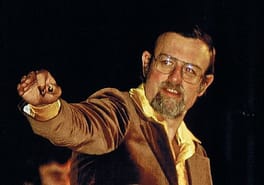
Photo: Wilfried Wittkowsky / CC BY-SA 3.0 (source: Wikimedia Commons)
Roger Whittaker was born on March 22, 1936 in Nairobi, Nairobi Province, Kenya. Roger Whittaker was a singer-songwriter, writer and composer. Death is recorded on September 12, 2023, at the age of 87. Schooling on record includes University of Wales. Recorded honors include Goldene Stimmgabel (1986, 2006).
My Take
Roger Whittaker is the kind of artist I respect more the longer I sit with him. Born in Nairobi, he carried something open and unhurried into his music, blending folk and schlager with that warm baritone and the unmistakable whistle. Two Goldene Stimmgabel awards in Germany tell you he wasn't just charming, he connected. What I value most is that he chose warmth over flash; his songs reach people without demanding cleverness in return. He passed in 2023, but craftsmen like this don't really leave. The melody outlasts the man, which is exactly how he'd probably want it.
This take was written by generative AI, one per person, from publicly reported facts (editorial policy). It is a reading of the record, not reporting.
1. Profile
- Name (English)
- Roger Whittaker
- Name (Japanese)
- ロジャー・ウィテッカー
- Reading
- ろじゃー・うぃてっかー
- Born
- March 22, 1936 – September 12, 2023
- Origin
- Nairobi, Nairobi Province, Kenya
- Occupation
- singer-songwriter / writer / composer / guitarist / recording artist
- Zodiac / Chinese zodiac
- Aries / Rat
2. Background
- University
- University of Wales
Awards & achievements
- 1986 Goldene Stimmgabel
- 2006 Goldene Stimmgabel
3. Links
- Official sitehttps://www.rogerwhittaker.com
- Wikipedia (English)https://en.wikipedia.org/wiki/Roger%20Whittaker
- Wikipedia (Japanese)https://ja.wikipedia.org/wiki/%E3%83%AD%E3%82%B8%E3%83%A3%E3%83%BC%E3%83%BB%E3%82%A6%E3%82%A3%E3%83%86%E3%83%83%E3%82%AB%E3%83%BC
- Wikidatahttps://www.wikidata.org/wiki/Q436759
4. About this entry
Tags
- Last updated
Facts are limited to publicly available information up to 2024; non-public or unconfirmed items are omitted. English text is machine-assisted (facts translated by Sonnet, "My Take" written by Opus 4.8). The Japanese page is the source of record.
Frequently asked questions
When was Roger Whittaker born?
Born March 22, 1936.
When did Roger Whittaker die?
Died September 12, 2023, aged 87.
Where was Roger Whittaker from?
Roger Whittaker was from Nairobi, Nairobi Province, Kenya.
What did Roger Whittaker do?
Roger Whittaker worked as singer-songwriter, writer, composer, guitarist, recording artist.
Singer-songwriter — see all → · Writer — see all → · More people from Kenya →