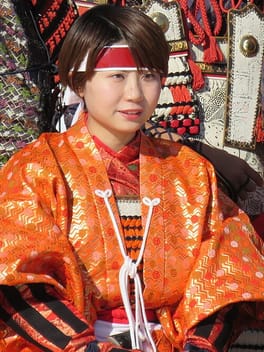
Photo: Terumasa / CC BY-SA 4.0 (source: Wikimedia Commons)
My Take
Honestly, the moment I hear "female shogi professional," something in me just lights up — there's this quiet intensity to it that I find genuinely compelling. Sakura Ishimoto was born in January 1999 in Suita, Osaka, which means she was only in her mid-twenties by 2024 and already grinding it out at the professional level of one of Japan's most demanding intellectual traditions. Shogi looks sedate from the outside — two people sitting still over a wooden board — but inside those heads, the calculation never stops, dozens of moves deep at any given moment. The women's circuit exists in a world that still skews heavily male, and carving out a place in it takes a particular kind of stubbornness that I really respect. I picture someone who genuinely doesn't care what lane you think she should be in. Root for her.
This take was written by generative AI, one per person, from publicly reported facts (editorial policy). It is a reading of the record, not reporting.
Overview
Sakura Ishimoto is a Japanese women's professional shogi player born on January 27, 1999, in Suita, Osaka Prefecture. She attended Osaka Gakugei High School. She is affiliated with the women's professional shogi circuit in Japan.
1. Profile
- Name (English)
- Sakura Ishimoto
- Name (Japanese)
- 石本さくら
- Reading
- いしもと さくら
- Born
- January 27, 1999 (age 27)
- Origin
- Suita, Osaka Prefecture, Japan
- Occupation
- Women's professional shogi player
- Zodiac / Chinese zodiac
- Aquarius / Rabbit
2. Background
- High school
- Osaka Gakugei High School
3. Links
4. About this entry
Tags
- Last updated
Facts are limited to publicly available information up to 2024; non-public or unconfirmed items are omitted. English text is machine-assisted (facts translated by Sonnet, "My Take" written by Opus 4.8). The Japanese page is the source of record.
Frequently asked questions
When was Sakura Ishimoto born?
Born January 27, 1999 (age 27).
Where is Sakura Ishimoto from?
Sakura Ishimoto is from Suita, Osaka Prefecture, Japan.
What does Sakura Ishimoto do?
Sakura Ishimoto works as Women's professional shogi player.