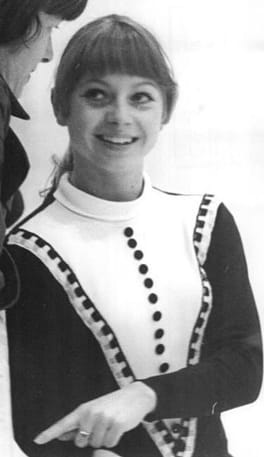
Photo: Wendorf / CC BY-SA 3.0 de (source: Wikimedia Commons)
Sonja Morgenstern is a figure skating coach and figure skater. Sonja Morgenstern was born in Frankenberg, Saxony, Germany on January 22, 1955. That works out to 71 years old in 2026.
My Take
Sonja Morgenstern earns my admiration as a figure skater shaped by an extraordinary era. Born in Frankenberg, Saxony, she was molded by the legendary coach Jutta Müller and competed for East Germany, winning the 1966 Spartakiade and reaching the Winter Olympics two years later. Expressing yourself through skating under the constraints of the GDR was no small feat, and what moves me most is what came after: she turned to coaching and handed down everything she had received to the next generation. That cycle of inheriting and passing on, of carrying the culture of the ice forward like a baton, strikes me as genuinely beautiful and quietly heroic.
This take was written by generative AI, one per person, from publicly reported facts (editorial policy). It is a reading of the record, not reporting.
1. Profile
- Name (English)
- Sonja Morgenstern
- Name (Japanese)
- ソニア・モルゲンシュテルン
- Reading
- そにあ・もるげんしゅてるん
- Born
- January 22, 1955 (age 71)
- Origin
- Frankenberg, Saxony, Germany
- Occupation
- figure skating coach / figure skater
- Zodiac / Chinese zodiac
- Aquarius / Goat
2. Links
3. About this entry
Tags
- Last updated
Facts are limited to publicly available information up to 2024; non-public or unconfirmed items are omitted. English text is machine-assisted (facts translated by Sonnet, "My Take" written by Opus 4.8). The Japanese page is the source of record.
Frequently asked questions
When was Sonja Morgenstern born?
Born January 22, 1955 (age 71).
Where is Sonja Morgenstern from?
Sonja Morgenstern is from Frankenberg, Saxony, Germany.
What does Sonja Morgenstern do?
Sonja Morgenstern works as figure skating coach, figure skater.
Figure skating coach — see all → · Figure skater — see all → · More people from Germany →