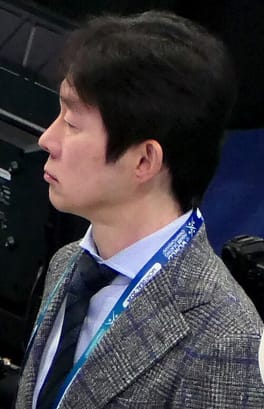
Photo: FloweringDagwood / CC BY 3.0 (source: Wikimedia Commons)
My Take
I have a soft spot for the quiet workhorses of figure skating, and Masakazu Kagiyama is exactly that. Born in Nagoya in 1971, he skated for Japan as a steady, no-drama competitor in an era well before the country became a jumping superpower, then did the thing I respect most: he turned around and started teaching. Nagoya churns out elite skaters like nowhere else, and people like him are a big reason why, grinding away rinkside while the spotlights chase the kids he trains. There's something genuinely moving about pouring everything you learned on the ice straight into the next generation, including, famously, his own son. He may never make flashy headlines himself, but the legacy he's quietly building on that ice is the kind that actually lasts.
This take was written by generative AI, one per person, from publicly reported facts (editorial policy). It is a reading of the record, not reporting.
Overview
Masakazu Kagiyama is a Japanese figure skater and coach born on April 12, 1971, in Nagoya, Aichi Prefecture. He graduated from Aichi Institute of Technology and competed as a figure skater before transitioning to a coaching career. Based in Nagoya, he has dedicated himself to developing the next generation of figure skaters as a coach.
1. Profile
- Name (English)
- Masakazu Kagiyama
- Name (Japanese)
- 鍵山正和
- Reading
- かぎやま まさかず
- Born
- April 12, 1971 (age 55)
- Origin
- Nagoya, Aichi Prefecture, Japan
- Occupation
- Figure skater / Figure skating coach
- Zodiac / Chinese zodiac
- Aries / Boar
2. Background
- University
- Aichi Institute of Technology
3. Links
- Wikipedia (Japanese)https://ja.wikipedia.org/wiki/%E9%8D%B5%E5%B1%B1%E6%AD%A3%E5%92%8C
- Wikidatahttps://www.wikidata.org/wiki/Q201244
4. About this entry
Tags
- Last updated
Facts are limited to publicly available information up to 2024; non-public or unconfirmed items are omitted. English text is machine-assisted (facts translated by Sonnet, "My Take" written by Opus 4.8). The Japanese page is the source of record.
Frequently asked questions
When was Masakazu Kagiyama born?
Born April 12, 1971 (age 55).
Where is Masakazu Kagiyama from?
Masakazu Kagiyama is from Nagoya, Aichi Prefecture, Japan.
What does Masakazu Kagiyama do?
Masakazu Kagiyama works as Figure skater, Figure skating coach.
Figure skater — see all → · Figure skating coach — see all → · More people from Japan →