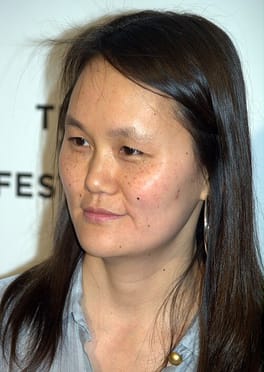
Photo: David Shankbone / CC BY 3.0 (source: Wikimedia Commons)
Soon-Yi Previn is a film actor, born on October 8, 1970 in Suwon, Gyeonggi Province, South Korea. That puts Soon-Yi Previn at 55 years old in 2026. Education on record includes Drew University.
My Take
Soon-Yi Previn occupies a strange place in celebrity culture: world-famous almost entirely through other people's narratives. Born in Suwon, adopted into one of Hollywood's most scrutinized families, then placed at the center of one of its most divisive controversies, she has spent decades being discussed far more than she has spoken. What interests me is her near-total silence. In an era when everyone monetizes their side of the story, she has mostly declined to perform her own life for the public. I will not adjudicate the moral debate around her marriage, but I find her refusal to become content, in the modern sense, quietly remarkable.
This take was written by generative AI, one per person, from publicly reported facts (editorial policy). It is a reading of the record, not reporting.
1. Profile
- Name (English)
- Soon-Yi Previn
- Name (Japanese)
- スン=イー・プレヴィン
- Reading
- すん=いー・ぷれゔぃん
- Born
- October 8, 1970 (age 55)
- Origin
- Suwon, Gyeonggi Province, South Korea
- Occupation
- film actor
- Zodiac / Chinese zodiac
- Libra / Dog
2. Background
- University
- Drew University
3. Links
4. About this entry
Tags
- Last updated
Facts are limited to publicly available information up to 2024; non-public or unconfirmed items are omitted. English text is machine-assisted (facts translated by Sonnet, "My Take" written by Opus 4.8). The Japanese page is the source of record.
Frequently asked questions
When was Soon-Yi Previn born?
Born October 8, 1970 (age 55).
Where is Soon-Yi Previn from?
Soon-Yi Previn is from Suwon, Gyeonggi Province, South Korea.
What does Soon-Yi Previn do?
Soon-Yi Previn works as film actor.