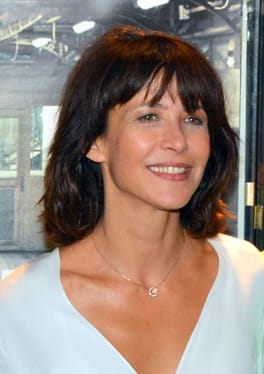
Photo: Georges Biard / CC BY-SA 3.0 (source: Wikimedia Commons)
Born on November 17, 1966, Sophie Marceau is from Paris, France. Public records list Sophie Marceau as a singer, screenwriter and writer. That works out to 59 years old in 2026. Awards on record include César Award for Best Female Revelation (1983), Officer of Arts and Letters (2003), Ordre des Arts et des Lettres and 1 more.
My Take
Sophie Marceau is one of those rare performers who became a cultural icon before she even turned twenty — La Boum made her the sweetheart of an entire French generation in 1980, and the sequel cemented it, earning her a César for Most Promising Actress at just sixteen. What I love about her is that she never let that ingénue label define her: she grew into genuinely complex roles, directed her own films, wrote novels, and proved she was far more than a pretty face from a teen comedy. International audiences got a taste of her cool, sharp charisma in Braveheart and then as the Bond villain Elektra King in The World Is Not Enough — a role she played with real menace and wit. She's always struck me as the kind of artist who operates entirely on her own terms, and French cinema is richer for it.
This take was written by generative AI, one per person, from publicly reported facts (editorial policy). It is a reading of the record, not reporting.
1. Profile
- Name (English)
- Sophie Marceau
- Name (Japanese)
- ソフィー・マルソー
- Reading
- そふぃー・まるそー
- Born
- November 17, 1966 (age 59)
- Origin
- Paris, France
- Occupation
- actor / singer / screenwriter / writer / stage actor
- Zodiac / Chinese zodiac
- Scorpio / Horse
2. Background
Awards & achievements
- 1983 César Award for Best Female Revelation
- 2003 Officer of Arts and Letters
- Ordre des Arts et des Lettres
- Jupiter Awards
3. Links
- Instagramhttps://www.instagram.com/sophiemarceau/
- Xhttps://x.com/SophieMarceau
- Wikipedia (English)https://en.wikipedia.org/wiki/Sophie%20Marceau
- Wikipedia (Japanese)https://ja.wikipedia.org/wiki/%E3%82%BD%E3%83%95%E3%82%A3%E3%83%BC%E3%83%BB%E3%83%9E%E3%83%AB%E3%82%BD%E3%83%BC
- Wikidatahttps://www.wikidata.org/wiki/Q162753
4. About this entry
Tags
- Last updated
Only publicly available facts are listed; non-public or unconfirmed items are omitted. Base data was compiled from Wikidata from June 2026 onward; ages are recalculated daily and deaths are checked against Wikidata on an ongoing basis. English text is machine-assisted (facts translated by Sonnet, "My Take" written by Opus 4.8). The Japanese page is the source of record.
Frequently asked questions
When was Sophie Marceau born?
Sophie Marceau was born on November 17, 1966 and is 59 years old.
Where is Sophie Marceau from?
Sophie Marceau is from Paris, France.
What does Sophie Marceau do?
Sophie Marceau works as actor, singer, screenwriter, writer, stage actor.
Actor — see all → · Singer — see all → · More people from France → · More people born on November 17 →