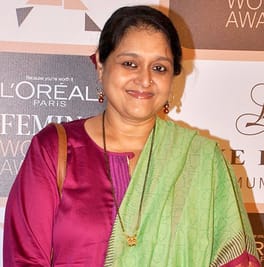
Photo: Bollywood Hungama / CC BY 3.0 (source: Wikimedia Commons)
Supriya Pathak was born on January 7, 1961 in Mumbai, Bombay State, India. Supriya Pathak is a television actor. The age as of 2026 is 65. Listed accolades include Filmfare Awards.
My Take
Supriya Pathak is the kind of performer I trust completely. Anyone who can become a household name through comedy—her Hansa in the Khichdi franchise is practically folklore—while also collecting multiple Filmfare Awards has a range few actors ever achieve. Moving fluidly between Gujarati and Hindi work, and between film and television since the 1980s, she embodies a working actor's longevity rather than a star's flash. My take is that comedic timing this precise is harder than dramatic weeping, and Indian television owes much of its warmth to her. Character actors like Pathak quietly carry an entire industry on their shoulders.
This take was written by generative AI, one per person, from publicly reported facts (editorial policy). It is a reading of the record, not reporting.
1. Profile
- Name (English)
- Supriya Pathak
- Name (Japanese)
- スプリヤ・パタク
- Reading
- すぷりや・ぱたく
- Born
- January 7, 1961 (age 65)
- Origin
- Mumbai, Bombay State, India
- Occupation
- actor / television actor
- Zodiac / Chinese zodiac
- Capricorn / Ox
2. Background
Awards & achievements
- Filmfare Awards
3. Links
- Wikipedia (English)https://en.wikipedia.org/wiki/Supriya%20Pathak
- Wikidatahttps://www.wikidata.org/wiki/Q7645142
4. About this entry
Tags
- Last updated
Facts are limited to publicly available information up to 2024; non-public or unconfirmed items are omitted. English text is machine-assisted (facts translated by Sonnet, "My Take" written by Opus 4.8). The Japanese page is the source of record.
Frequently asked questions
When was Supriya Pathak born?
Born January 7, 1961 (age 65).
Where is Supriya Pathak from?
Supriya Pathak is from Mumbai, Bombay State, India.
What does Supriya Pathak do?
Supriya Pathak works as actor, television actor.
Actor — see all → · Television actor — see all → · More people from India →