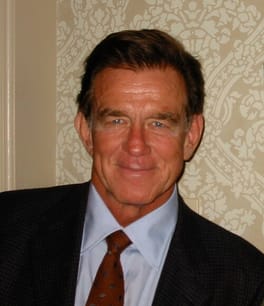
Photo: Tim_McCarver_with_fan.jpg: Bret Linford derivative work: Delaywaves talk / CC BY 2.0 (source: Wikimedia Commons)
Tim McCarver, born on October 16, 1941 in Memphis, Tennessee, United States, was a baseball player and sports commentator. Death is recorded on February 16, 2023, at the age of 81. Tim McCarver studied at Christian Brothers High School and University of Memphis.
My Take
Tim McCarver had two great careers, and I admire the second as much as the first. Twenty-one MLB seasons behind the plate from 1959 to 1980, catching for the Cardinals, Phillies, Expos, and Red Sox, including his celebrated partnership with Bob Gibson. But it was in the booth that he reshaped how Americans watched the game, decoding pitch sequencing and a hitter's psychology in plain, generous language. Few broadcasters have done more to deepen a sport's culture. The Memphis native passed in 2023, yet his voice still echoes through how the game is narrated. To me, that dual mastery is what real legend status looks like.
This take was written by generative AI, one per person, from publicly reported facts (editorial policy). It is a reading of the record, not reporting.
1. Profile
- Name (English)
- Tim McCarver
- Name (Japanese)
- ティム・マッカーバー
- Reading
- てぃむ・まっかーばー
- Born
- October 16, 1941 – February 16, 2023
- Origin
- Memphis, Tennessee, United States
- Occupation
- baseball player / sports commentator
- Zodiac / Chinese zodiac
- Libra / Snake
2. Background
- High school
- Christian Brothers High School
- University
- University of Memphis
3. Links
4. About this entry
Tags
- Last updated
Facts are limited to publicly available information up to 2024; non-public or unconfirmed items are omitted. English text is machine-assisted (facts translated by Sonnet, "My Take" written by Opus 4.8). The Japanese page is the source of record.
Frequently asked questions
When was Tim McCarver born?
Born October 16, 1941.
When did Tim McCarver die?
Died February 16, 2023, aged 81.
Where was Tim McCarver from?
Tim McCarver was from Memphis, Tennessee, United States.
What did Tim McCarver do?
Tim McCarver worked as baseball player, sports commentator.
Baseball player — see all → · Sports commentator — see all → · More people from the United States →