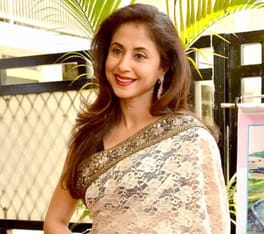
Photo: Bollywood Hungama / CC BY 3.0 (source: Wikimedia Commons)
Urmila Matondkar was born on February 4, 1974 in Mumbai, Bombay State, India and is credited as a presenter and film actor. That puts Urmila Matondkar at 52 years old in 2026. Schooling on record includes Ruparel College.
My Take
Urmila Matondkar is one of those performers who feels bigger than any single category. Anchored in Hindi cinema but moving fluidly across Telugu, Malayalam, Marathi and Tamil films, she built a screen persona defined by electric dancing and an unmistakable presence, backed by a Filmfare Award and a Nandi Award. What I admire most is the range: few can make Bollywood's demanding choreography look effortless while still commanding dramatic weight. Her later step into politics only deepens my read of her as someone with real conviction beneath the glamour. To me she represents an era of Indian cinema where style and substance genuinely coexisted.
This take was written by generative AI, one per person, from publicly reported facts (editorial policy). It is a reading of the record, not reporting.
1. Profile
- Name (English)
- Urmila Matondkar
- Name (Japanese)
- ウルミラ・マトンドカール
- Reading
- うるみら・まとんどかーる
- Born
- February 4, 1974 (age 52)
- Origin
- Mumbai, Bombay State, India
- Occupation
- presenter / actor / film actor
- Zodiac / Chinese zodiac
- Aquarius / Tiger
2. Background
- University
- Ruparel College
3. Links
- Instagramhttps://www.instagram.com/urmilamatondkarofficial/
- Wikipedia (English)https://en.wikipedia.org/wiki/Urmila%20Matondkar
- Wikipedia (Japanese)https://ja.wikipedia.org/wiki/%E3%82%A6%E3%83%AB%E3%83%9F%E3%83%A9%E3%83%BB%E3%83%9E%E3%83%88%E3%83%B3%E3%83%89%E3%82%AB%E3%83%BC%E3%83%AB
- Wikidatahttps://www.wikidata.org/wiki/Q2017182
4. About this entry
Tags
- Last updated
Facts are limited to publicly available information up to 2024; non-public or unconfirmed items are omitted. English text is machine-assisted (facts translated by Sonnet, "My Take" written by Opus 4.8). The Japanese page is the source of record.
Frequently asked questions
When was Urmila Matondkar born?
Born February 4, 1974 (age 52).
Where is Urmila Matondkar from?
Urmila Matondkar is from Mumbai, Bombay State, India.
What does Urmila Matondkar do?
Urmila Matondkar works as presenter, actor, film actor.
Presenter — see all → · Actor — see all → · More people from India →