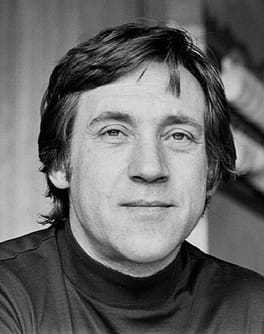
Photo: Unknown author / CC BY 4.0 (source: Wikimedia Commons)
Born on January 25, 1938 in Moscow, Soviet Union, Vladimir Vysotsky was a poet, writer and film actor. Death is recorded on July 25, 1980, at the age of 42. Vladimir Vysotsky was educated at Moscow State University of Civil Engineering. Listed accolades include USSR State Prize, Prize of the Ministry of Internal Affairs of Russia and Merited Artist of the RSFSR.
My Take
Vladimir Vysotsky is one of those figures whose shadow only grows after death. Gone at 42 in 1980, he remains woven into the Soviet cultural memory as poet, actor and singer-songwriter. What moves me is that he sang truth in street jargon laced with dark humor during an era of heavy censorship, smuggling social and political commentary past the gatekeepers in the people's own language. Choosing the artist's road after starting in civil engineering shows where his heart pulled him. A voice still quoted decades later is the kind of legacy only the genuinely fearless leave behind, and I admire him deeply for it.
This take was written by generative AI, one per person, from publicly reported facts (editorial policy). It is a reading of the record, not reporting.
1. Profile
- Name (English)
- Vladimir Vysotsky
- Name (Japanese)
- ヴラジーミル・ヴィソツキー
- Reading
- ゔらじーみる・ゔぃそつきー
- Born
- January 25, 1938 – July 25, 1980
- Origin
- Moscow, Soviet Union
- Occupation
- poet / writer / film actor / stage actor / singer-songwriter
- Zodiac / Chinese zodiac
- Aquarius / Tiger
2. Background
- University
- Moscow State University of Civil Engineering
Awards & achievements
- USSR State Prize
- Prize of the Ministry of Internal Affairs of Russia
- Merited Artist of the RSFSR
3. Links
4. About this entry
Tags
- Last updated
Facts are limited to publicly available information up to 2024; non-public or unconfirmed items are omitted. English text is machine-assisted (facts translated by Sonnet, "My Take" written by Opus 4.8). The Japanese page is the source of record.
Frequently asked questions
When was Vladimir Vysotsky born?
Vladimir Vysotsky was born on January 25, 1938.
When did Vladimir Vysotsky die?
Vladimir Vysotsky died on July 25, 1980, aged 42.
Where was Vladimir Vysotsky from?
Vladimir Vysotsky was from Moscow, Soviet Union.
What did Vladimir Vysotsky do?
Vladimir Vysotsky worked as poet, writer, film actor, stage actor, singer-songwriter.
Where did Vladimir Vysotsky study?
Vladimir Vysotsky attended Moscow State University of Civil Engineering.
Poet — see all → · Writer — see all → · More people from the Soviet Union → · More people born on January 25 →