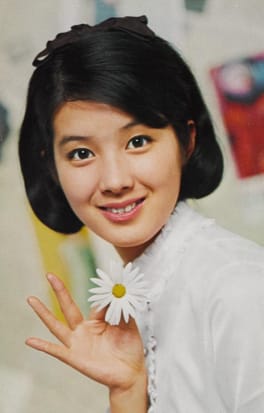
Photo: 国際情報社 / Public domain (source: Wikimedia Commons)
My Take
I have such a soft spot for Wakako Sakai. She's that wholesome, fresh-faced presence who lit up Shōwa-era youth films, and there's something about her that feels like a glass of cold water on a hot day. Born in Tochigi in 1949 and raised in Itabashi, Tokyo, she came up through child roles and snagged the Élan d'or Newcomer Award in 1967 before she'd even hit her twenties, which tells you the camera just loved her. What gets me is how unflashy it all is. No manufactured sparkle, no tabloid noise, just a clear-eyed smile aimed right down the lens that makes you sit up a little straighter. She's the kind of actor who quietly stacked one honest performance on another, and honestly that earnestness ages better than any scandal ever could. I'd love to think she's somewhere peaceful now.
This take was written by generative AI, one per person, from publicly reported facts (editorial policy). It is a reading of the record, not reporting.
Overview
Wakako Sakai is a Japanese actress born on April 15, 1949, in Tochigi Prefecture and raised in Itabashi, Tokyo. She began her career as a child actress and rose to prominence during the 1960s, becoming known for her wholesome presence in Japanese films of the era. In 1967 she received the Elan d'Or Award for Best Newcomer, a recognition of her early breakthrough in the film industry. She is represented by Staff Up Promotion and graduated from Mejiro Gakuen High School.
1. Profile
- Name (English)
- Wakako Sakai
- Name (Japanese)
- 酒井和歌子
- Reading
- さかい わかこ
- Born
- April 15, 1949 (age 77)
- Origin
- Itabashi, Tokyo, Japan
- Occupation
- Actress / Child Actress
- Zodiac / Chinese zodiac
- Aries / Ox
- Blood type
- B
- Active years
- 1961 -
2. Background
Awards & achievements
- 1967 — Elan d'Or Award, Best Newcomer
3. Works & records
Works summary
- Appearances
- 275 (1961–2020)
- By year (titles with a known year)
- 1961: 1, 1962: 2, 1964: 2, 1966: 6, 1967: 9, 1968: 13, 1969: 8, 1970: 10, 1971: 12, 1972: 5, 1973: 9, 1974: 6, 1975: 4, 1976: 5, 1977: 5, 1978: 5, 1979: 5, 1980: 6, 1981: 7, 1982: 8, 1983: 8, 1984: 10, 1985: 9, 1986: 6, 1987: 3, 1988: 8, 1989: 3, 1990: 5, 1991: 3, 1992: 4, 1993: 2, 1994: 2, 1995: 5, 1996: 4, 1997: 2, 1999: 3, 2000: 5, 2001: 2, 2002: 6, 2003: 4, 2004: 4, 2005: 2, 2006: 4, 2007: 3, 2009: 1, 2010: 2, 2011: 1, 2012: 1, 2013: 3, 2015: 1, 2016: 2, 2018: 2, 2020: 1, year unknown: 26
- Debut work
- あいつと私
Filmography / notable works
| Category | Title | Year |
|---|---|---|
| CM | サントリー ロコモワ | 2020 |
| CM | 三井のリハウス | 2018 |
| CM | 野村證券 | 2018 |
| TV drama | 検察事務官 黒ユリ | 2016 |
| Variety show | Baby Boomer Style | 2016 |
| TV drama | 最強のふたり〜京都府警 特別捜査班〜 | 2015 |
| TV drama | お助け屋☆陣八 | 2013 |
| TV drama | 500円弁当と同じ味の高級料理!?カリスマシェフ連続殺人を愛妻レシピが解く | 2013 |
| TV drama | アリス | 2013 |
| Film | 旅の贈りもの 〜明日へ〜 | 2012 |
| CM | 花王 グレイス ソフィーナ | 2011 |
| Film | アイ・アム_I_am. | 2010 |
| CM | すき家 | 2010 |
| TV drama | 弁天祐美子法律事務所2 | 2009 |
| TV drama | 京都・花見小路殺人事件・華やかな祇園の舞妓と芸子の裏の顔…密室に三匹の猫トリック! | 2007 |
| TV drama | 熟年夫婦を襲った恋と殺人の罠!! | 2007 |
| TV drama | 神の目の女刑事 鷹子 | 2007 |
| Film | 県庁の星 | 2006 |
| TV drama | 時効直前!! 熟年離婚が呼ぶ二つの殺意 | 2006 |
| TV drama | 黒部渓谷トロッコツアー殺人事件 | 2006 |
| CM | 千葉銀行 | 2006 |
| TV drama | 母子鑑定 | 2005 |
| TV drama | 人情刑事・宮本清四郎 死を招く山百合 | 2005 |
| TV drama | 二通の手紙 | 2004 |
| TV drama | 松本清張ドラマスペシャル・黒の回廊 | 2004 |
| TV drama | 仔犬のワルツ | 2004 |
| TV drama | はぐれ刑事純情派 新春スペシャル さよなら林刑事…生きるんだ! | 2004 |
| Film | I Love Peace | 2003 |
| TV drama | ねたみ | 2003 |
| TV drama | 大財閥デパート王の表と裏の二つの顔!妻、料亭女将、宝石商…影の家族の相関図 | 2003 |
| TV drama | 住宅街夫婦連続変死事件 | 2003 |
| TV drama | 母の波濤 | 2002 |
| TV drama | 女の家 | 2002 |
| TV drama | はるちゃん6 | 2002 |
| TV drama | やもめ記者万年さん | 2002 |
| CM | 参天製薬 サンテ40 | 2002 |
| CM | オーストラリア政府観光局 | 2002 |
| TV drama | 花嫁の父が22口径の銃で狙撃された | 2001 |
| TV drama | 皇女の霊柩 | 2001 |
| TV drama | FLY 航空学園グラフィティ | 2000 |
| TV drama | 菜の花の沖 | 2000 |
| TV drama | 奥州三代嫁姑殺人事件 | 2000 |
| TV drama | 事件8・姑を殺した女! | 2000 |
| TV drama | はぐれ刑事純情派 第13シリーズ | 2000 |
| TV drama | 東京環状線・夏の迷走 | 1999 |
| TV drama | 創作京人業界をゆるがすスキャンダルの謎!新星のごとく登場した美人人形師… | 1999 |
| TV drama | 沖縄仲人旅行連続殺人 | 1999 |
| TV drama | 創作京人形界をゆるがすスキャンダルの謎! 新星のごとく登場した美人人形師…死体に付着した白い粉が告げる秘密とは | 1999 |
| TV drama | 水曜シリーズドラマ 噂の伝次郎 | 1997 |
| TV drama | 切り落とされた指を残して消えた容疑者! 浮かばない死体の謎? 偽名で身投げした人妻の叫び… | 1997 |
| TV drama | もう我慢できない! | 1996 |
| TV drama | オレゴンから愛'96 ラブレター 大自然の中で父と子が向き合った | 1996 |
| TV drama | 高千穂から消えた美女と夜神楽の謎 | 1996 |
| TV drama | Heaven's Coin | 1995 |
| TV drama | 続・星の金貨 | 1995 |
| TV drama | 猫魔に消えた花嫁 | 1995 |
| TV drama | 少女と清の母恋し | 1995 |
| TV drama | 犬が見た死体 | 1995 |
4. Links
5. About this entry
Tags
- Last updated
Only publicly available facts are listed; non-public or unconfirmed items are omitted. Base data was compiled from Wikidata from June 2026 onward; ages are recalculated daily and deaths are checked against Wikidata on an ongoing basis. Works and profile fields sourced from Wikipedia reflect content as of 2026-08-26. English text is machine-assisted (facts translated by Sonnet, "My Take" written by Opus 4.8). The Japanese page is the source of record.
Frequently asked questions
When was Wakako Sakai born?
Wakako Sakai was born on April 15, 1949 and is 77 years old.
Where is Wakako Sakai from?
Wakako Sakai is from Itabashi, Tokyo, Japan.
What does Wakako Sakai do?
Wakako Sakai works as Actress, Child Actress.
What is Wakako Sakai's blood type?
Wakako Sakai's blood type is B.
How long has Wakako Sakai been active?
Wakako Sakai has been active since 1961.
Actress — see all → · Child Actress — see all → · More people from Japan → · More people born on April 15 →