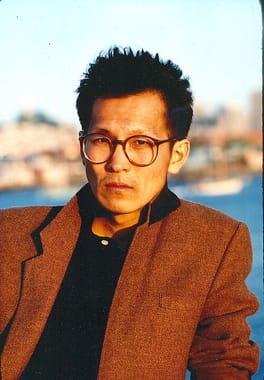
Photo: Edmunddantes / CC BY-SA 3.0 (source: Wikimedia Commons)
My Take
Wayne Wang is one of the quiet pioneers of Asian American cinema, and 'Chan Is Missing' was doing low-budget, culturally specific independent filmmaking before that was remotely fashionable. 'The Joy Luck Club' is the one most people know, and rightly so, it brought a sweeping multigenerational Chinese American story to a mass audience years before Hollywood pretended to discover such stories. What I appreciate is his refusal to be boxed in: he can make the gentle, talky charm of 'Smoke' and then turn around and direct a glossy studio rom-com. That restlessness keeps his filmography genuinely interesting.
This take was written by generative AI, one per person, from publicly reported facts (editorial policy). It is a reading of the record, not reporting.
Overview
Wayne Wang (born January 12, 1949) is a Hong Kong-born American filmmaker, raised in then-British Hong Kong and educated at the California College of the Arts. He gained early recognition for independent films exploring Chinese American life, including 'Chan Is Missing' and 'Dim Sum: A Little Bit of Heart'. He reached a wider audience directing 'The Joy Luck Club' (1993), based on Amy Tan's novel, and the Brooklyn-set 'Smoke', as well as mainstream features such as 'Maid in Manhattan'.
1. Profile
- Name (English)
- Wayne Wang
- Name (Japanese)
- ウェイン・ワン
- Reading
- うぇいん・わん
- Born
- January 12, 1949 (age 77)
- Occupation
- Film director / Film editor / Film producer / Screenwriter / Author
- Zodiac / Chinese zodiac
- Capricorn / Ox
2. Background
- University
- California College of the Arts
3. Links
- Wikipedia (English)https://en.wikipedia.org/wiki/Wayne%20Wang
- Wikipedia (Japanese)https://ja.wikipedia.org/wiki/%E3%82%A6%E3%82%A7%E3%82%A4%E3%83%B3%E3%83%BB%E3%83%AF%E3%83%B3
- Wikidatahttps://www.wikidata.org/wiki/Q728360
4. About this entry
Tags
- Last updated
Facts are limited to publicly available information up to 2024; non-public or unconfirmed items are omitted. English text is machine-assisted (facts translated by Sonnet, "My Take" written by Opus 4.8). The Japanese page is the source of record.
Frequently asked questions
When was Wayne Wang born?
Born January 12, 1949 (age 77).
What does Wayne Wang do?
Wayne Wang works as Film director, Film editor, Film producer, Screenwriter, Author.