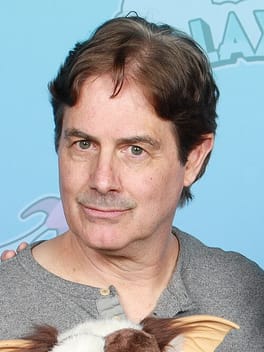
Photo: Super Festivals from Ft. Lauderdale, USA / CC BY 4.0 (source: Wikimedia Commons)
My Take
Zach Galligan will forever be Billy Peltzer, and honestly that is a wonderful thing to be remembered for. Gremlins is a perfect blend of Christmas warmth and chaos, and his earnest, slightly bewildered everyman gives the mayhem a real emotional anchor. It would have been easy for the human lead to get steamrolled by Gizmo and the creatures, but he holds the center with genuine charm. He never became a megastar, yet he has stayed working and embraced his place in horror fandom with real grace. There is something admirable about an actor who honors the role that fans love instead of running from it.
This take was written by generative AI, one per person, from publicly reported facts (editorial policy). It is a reading of the record, not reporting.
Overview
Zach Galligan (born 1964) is an American actor best known for playing Billy Peltzer in the hit 1984 horror-comedy Gremlins and its 1990 sequel Gremlins 2: The New Batch. A native New Yorker and Columbia University graduate, he has worked steadily in film and television over the decades, often appearing in independent and genre projects, and remains a beloved fixture of horror conventions.
1. Profile
- Name (English)
- Zach Galligan
- Name (Japanese)
- ザック・ギャリガン
- Reading
- ざっく・ぎゃりがん
- Born
- February 14, 1964 (age 62)
- Origin
- New York, New York, United States
- Occupation
- Actor / Television actor / Film actor / Screenwriter
- Zodiac / Chinese zodiac
- Aquarius / Dragon
2. Background
- University
- Columbia University
3. Links
4. About this entry
Tags
- Last updated
Facts are limited to publicly available information up to 2024; non-public or unconfirmed items are omitted. English text is machine-assisted (facts translated by Sonnet, "My Take" written by Opus 4.8). The Japanese page is the source of record.
Frequently asked questions
When was Zach Galligan born?
Born February 14, 1964 (age 62).
Where is Zach Galligan from?
Zach Galligan is from New York, New York, United States.
What does Zach Galligan do?
Zach Galligan works as Actor, Television actor, Film actor, Screenwriter.
Actor — see all → · Television actor — see all → · More people from the United States →