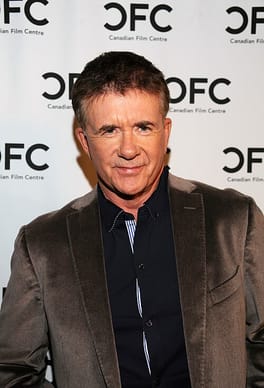
Photo: Canadian Film Centre from Toronto, Canada / CC BY 2.0 (source: Wikimedia Commons)
Alan Thicke was born on March 1, 1947 in Kirkland Lake, Ontario, Canada and was credited as a songwriter, composer and television presenter. Alan Thicke died on December 13, 2016 at the age of 69. Education on record includes University of Western Ontario. Listed accolades include Canada's Walk of Fame (2013). Notable works include Growing Pains.
My Take
Alan Thicke is one of those names that anchored a whole era of television without demanding the spotlight for himself. To millions he was Dr. Jason Seaver, the warm sitcom dad on Growing Pains, but I find his songwriting credits more telling: this was a working craftsman who wrote theme tunes and hosted shows before America cast him as everyone's father. There's a tidy irony in him fathering Robin Thicke, passing the music gene forward. His 2013 Canada's Walk of Fame nod felt overdue. When he died suddenly in 2016, the affection that poured out confirmed how genuinely likable he was.
This take was written by generative AI, one per person, from publicly reported facts (editorial policy). It is a reading of the record, not reporting.
1. Profile
- Name (English)
- Alan Thicke
- Name (Japanese)
- アラン・シック
- Reading
- あらん・しっく
- Born
- March 1, 1947 – December 13, 2016
- Origin
- Kirkland Lake, Ontario, Canada
- Occupation
- songwriter / composer / television presenter / voice actor / comedian
- Zodiac / Chinese zodiac
- Pisces / Boar
2. Background
- University
- University of Western Ontario
Awards & achievements
- 2013 Canada's Walk of Fame
3. Works & records
Filmography / notable works
| Category | Title |
|---|---|
| Notable work | Growing Pains |
4. Links
- Official sitehttps://www.alanthicke.com/
- Wikipedia (English)https://en.wikipedia.org/wiki/Alan%20Thicke
- Wikipedia (Japanese)https://ja.wikipedia.org/wiki/%E3%82%A2%E3%83%A9%E3%83%B3%E3%83%BB%E3%82%B7%E3%83%83%E3%82%AF
- Wikidatahttps://www.wikidata.org/wiki/Q277895
5. About this entry
Tags
- Last updated
Facts are limited to publicly available information up to 2024; non-public or unconfirmed items are omitted. English text is machine-assisted (facts translated by Sonnet, "My Take" written by Opus 4.8). The Japanese page is the source of record.
Frequently asked questions
When was Alan Thicke born?
Born March 1, 1947.
When did Alan Thicke die?
Died December 13, 2016, aged 69.
Where was Alan Thicke from?
Alan Thicke was from Kirkland Lake, Ontario, Canada.
What did Alan Thicke do?
Alan Thicke worked as songwriter, composer, television presenter, voice actor, comedian.
What was Alan Thicke known for?
Notable works include Growing Pains.
Songwriter — see all → · Composer — see all → · More people from Canada →