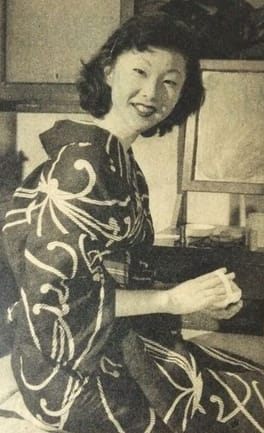
Photo: 朝日新聞社 / Public domain (source: Wikimedia Commons)
My Take
I'll be honest, Michiko Saga is one of those Showa-era faces I only met long after the fact, flickering through old black-and-white prints, but she stops me cold every time. The only daughter of Isuzu Yamada, she had a smoldering, slightly untamed glamour that felt more dangerous than the dainty starlets around her, all heavy-lidded eyes and a mouth that looked like it knew a secret. I love that she came up in a postwar Japanese cinema bursting with talent and still cut her own striking silhouette. Knowing she died in 1992, well before old age, gives her films a bittersweet undertow for me, like watching someone who burned hot and brief. She's the kind of actress you stumble onto and then quietly want to chase down everything she ever did.
This take was written by generative AI, one per person, from publicly reported facts (editorial policy). It is a reading of the record, not reporting.
Overview
Michiko Saga (March 1, 1935 – August 19, 1992) was a Japanese actress born in Kyoto City, Kyoto Prefecture. She was the only daughter of actor Ichiro Tsukita and actress Isuzu Yamada, and left Sagami Women's University without graduating. She passed away in 1992 at the age of 57.
1. Profile
- Name (English)
- Michiko Saga
- Name (Japanese)
- 瑳峨三智子
- Reading
- さが みちこ
- Born
- March 1, 1935 – August 19, 1992
- Origin
- Kyoto City, Kyoto Prefecture, Japan
- Occupation
- Actress
- Zodiac / Chinese zodiac
- Pisces / Boar
2. Works & records
Works summary
- Appearances
- 59 (1953–1988)
- By year (titles with a known year)
- 1953: 3, 1954: 3, 1955: 2, 1956: 5, 1957: 3, 1958: 2, 1959: 1, 1960: 4, 1961: 4, 1962: 4, 1963: 4, 1964: 1, 1965: 2, 1966: 5, 1967: 5, 1969: 1, 1973: 1, 1975: 5, 1976: 1, 1977: 1, 1988: 1, year unknown: 1
- Debut work
- 旗本退屈男 八百八町罷り通る
Filmography / notable works
| Category | Title | Year |
|---|---|---|
| Film | 橋 | 1988 |
| Film | Utamaro's World | 1977 |
| TV drama | 鳥追い無情 | 1976 |
| TV drama | 隣人 | 1975 |
| TV drama | 仕上げて勝負 | 1975 |
| TV drama | 色の地獄は殺し節 | 1975 |
| TV drama | 妖花女殺し屋 | 1975 |
| TV drama | 兇悪の射殺命令 | 1975 |
| Film | 十六歳の戦争 | 1973 |
| Film | やくざ非情史 血の盃 | 1969 |
| Film | 日本暗黒史 血の抗争 | 1967 |
| TV drama | San Shimai | 1967 |
| TV drama | 忍者がやって来た! | 1967 |
| TV drama | 節分の女 | 1967 |
| TV drama | 夢幻花火 | 1967 |
| Film | Game Of Chance | 1966 |
| Film | 若親分あばれ飛車 | 1966 |
| Film | 新遊侠伝 | 1966 |
| Film | 新・兵隊やくざ | 1966 |
| TV drama | 源義経 | 1966 |
| Film | Sleepy Eyes Of Death 6: Sword Of Satan | 1965 |
| Film | 続・網走番外地 | 1965 |
| TV drama | 赤穂浪士 | 1964 |
| Film | 悪名市場 | 1963 |
| Film | Cut the Shadow | 1963 |
| Film | 丹下左膳 | 1963 |
| Film | Jolly Barbers | 1963 |
| Film | 湖愁 | 1962 |
| Film | The Mad Fox | 1962 |
| Film | 裸体 | 1962 |
| TV drama | 善魔 | 1962 |
| Film | ひとり寝 | 1961 |
| Film | 続こつまなんきん お香の巻 | 1961 |
| Film | 甘い夜の果て | 1961 |
| Film | 大当り三代記 | 1961 |
| Film | おさい・権三 燃ゆる恋草 | 1960 |
| Film | こつまなんきん | 1960 |
| Film | 敵は本能寺にあり | 1960 |
| TV drama | おはん | 1960 |
| Film | 朝やけ雲の決闘 | 1959 |
| Film | 女狐風呂 | 1958 |
| Film | 大東京誕生 大江戸の鐘 | 1958 |
| Film | 伝七捕物帖・美女蝙蝠 | 1957 |
| Film | 大忠臣蔵 | 1957 |
| Film | 伴淳・森繁の糞尿譚 | 1957 |
| Film | 又四郎喧嘩旅 | 1956 |
| Film | おしどりの間 | 1956 |
| Film | 阪妻追善記念映画 京洛五人男 | 1956 |
| Film | Marathon Samurai | 1956 |
| Film | 与太者と若旦那 | 1956 |
| Film | The Second Son | 1955 |
| Film | 青春怪談 | 1955 |
| Film | 潮来出島 美男剣法 | 1954 |
| Film | 忠臣蔵 花の巻・雪の巻 | 1954 |
| Film | 唐人お吉 | 1954 |
| Film | 旗本退屈男 八百八町罷り通る | 1953 |
| Film | 47 Vendettas | 1953 |
| Film | 戦艦大和 | 1953 |
| TV drama | NHK大河ドラマ |
3. Links
4. About this entry
Tags
- Last updated
Only publicly available facts are listed; non-public or unconfirmed items are omitted. Base data was compiled from Wikidata from June 2026 onward; ages are recalculated daily and deaths are checked against Wikidata on an ongoing basis. Works and profile fields sourced from Wikipedia reflect content as of 2026-08-26. English text is machine-assisted (facts translated by Sonnet, "My Take" written by Opus 4.8). The Japanese page is the source of record.
Frequently asked questions
When was Michiko Saga born?
Michiko Saga was born on March 1, 1935.
When did Michiko Saga die?
Michiko Saga died on August 19, 1992, aged 57.
Where was Michiko Saga from?
Michiko Saga was from Kyoto City, Kyoto Prefecture, Japan.
What did Michiko Saga do?
Michiko Saga worked as Actress.
Actress — see all → · More people from Japan → · More people born on March 1 →