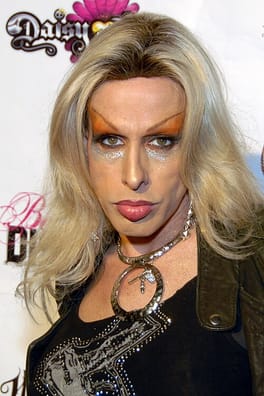
Photo: Toglenn / CC BY-SA 3.0 (source: Wikimedia Commons)
My Take
Alexis Arquette never got the lead-role spotlight her siblings did, but she was unforgettable in everything she touched, that brief, scene-stealing turn as the Boy George impersonator in The Wedding Singer being the obvious one fans quote. What I admire most is that she was living and speaking openly as a transgender woman in Hollywood years before that was remotely safe career-wise. Coming from such a famous acting dynasty, she could have played it safe; instead she used her visibility to push the conversation forward. Her death in 2016 felt like losing one of the genuinely brave people in the business.
This take was written by generative AI, one per person, from publicly reported facts (editorial policy). It is a reading of the record, not reporting.
Overview
Alexis Arquette (1969-2016) was an American actress, musician, and LGBT rights activist born in Los Angeles, California. A member of the prominent Arquette acting family, she appeared in films such as Last Exit to Brooklyn, The Wedding Singer, and Pulp Fiction. Openly transgender, she became a visible advocate within the LGBTQ community, and her transition was documented in the 2007 film Alexis Arquette: She's My Brother. She died in 2016 at the age of 47.
1. Profile
- Name (English)
- Alexis Arquette
- Name (Japanese)
- アレクシス・アークエット
- Reading
- あれくしす・あーくえっと
- Born
- July 28, 1969 – September 11, 2016
- Origin
- Los Angeles, California, United States
- Occupation
- Film actor / Choreographer / Television actor / Musician / LGBT rights activist
- Zodiac / Chinese zodiac
- Leo / Rooster
2. Links
3. About this entry
Tags
- Last updated
Facts are limited to publicly available information up to 2024; non-public or unconfirmed items are omitted. English text is machine-assisted (facts translated by Sonnet, "My Take" written by Opus 4.8). The Japanese page is the source of record.
Frequently asked questions
When was Alexis Arquette born?
Born July 28, 1969.
When did Alexis Arquette die?
Died September 11, 2016, aged 47.
Where was Alexis Arquette from?
Alexis Arquette was from Los Angeles, California, United States.
What did Alexis Arquette do?
Alexis Arquette worked as Film actor, Choreographer, Television actor, Musician, LGBT rights activist.
Film actor — see all → · Choreographer — see all → · More people from the United States →