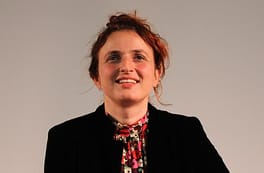
Photo: Ilya Mauter / CC BY-SA 4.0 (source: Wikimedia Commons)
Alice Rohrwacher, born on December 29, 1981 in Fiesole, Province of Florence, Italy, is a film director, film screenwriter and film editor. As of 2026, Alice Rohrwacher is 44 years old. Schooling on record includes University of Turin. Recorded honors include European University Film Award (2018), Nastro d'Argento for Best New Director and Ciak d'oro - Best first work by an Italian director.
My Take
Alice Rohrwacher is, to my mind, one of the most quietly essential voices in contemporary Italian cinema. What moves me is her tenderness toward rural life, forgotten memory, and the near-mythic textures of the countryside. Winning the Cannes Grand Prix for The Wonders confirmed what her debut already hinted: a filmmaker who whispers rather than shouts, yet leaves you shaken. She writes and edits her own work, an artisan's commitment I deeply respect. Rather than chasing trends, she patiently builds a singular world. I think she is the rare director whose films feel like folk tales rediscovered, and I trust wherever she leads.
This take was written by generative AI, one per person, from publicly reported facts (editorial policy). It is a reading of the record, not reporting.
1. Profile
- Name (English)
- Alice Rohrwacher
- Name (Japanese)
- アリーチェ・ロルバケル
- Reading
- ありーちぇ・ろるばける
- Born
- December 29, 1981 (age 44)
- Origin
- Fiesole, Province of Florence, Italy
- Occupation
- film director / screenwriter / film screenwriter / film editor
- Zodiac / Chinese zodiac
- Capricorn / Rooster
2. Background
- University
- University of Turin
Awards & achievements
- 2018 European University Film Award
- Nastro d'Argento for Best New Director
- Ciak d'oro - Best first work by an Italian director
3. Links
4. About this entry
Tags
- Last updated
Facts are limited to publicly available information up to 2024; non-public or unconfirmed items are omitted. English text is machine-assisted (facts translated by Sonnet, "My Take" written by Opus 4.8). The Japanese page is the source of record.
Frequently asked questions
When was Alice Rohrwacher born?
Alice Rohrwacher was born on December 29, 1981 and is 44 years old.
Where is Alice Rohrwacher from?
Alice Rohrwacher is from Fiesole, Province of Florence, Italy.
What does Alice Rohrwacher do?
Alice Rohrwacher works as film director, screenwriter, film screenwriter, film editor.
Where did Alice Rohrwacher study?
Alice Rohrwacher attended University of Turin.
Film director — see all → · Screenwriter — see all → · More people from Italy → · More people born on December 29 →